Bringing a bit of greenery into your apartment can make your space feel cozier and more alive, especially when you have pets running around. But not all plants are safe for your furry friends — some can cause unpleasant reactions or worse. Luckily, there are plenty of lush, pet-friendly plants that thrive indoors, brighten small spaces, and pose no toxic threat to cats or dogs. From trailing vines to compact leafy wonders, these green companions add natural charm without worry. Whether you’re a first-time plant parent or a seasoned green thumb, here are 10 pet-safe plants that make cozy, vibrant additions to any apartment.
How we ranked these: every idea below was chosen for real-world fit — practicality, style, value, and how easily it works in a real home. We count down from #10 to our #1 pick, so keep scrolling for the top spot.
10
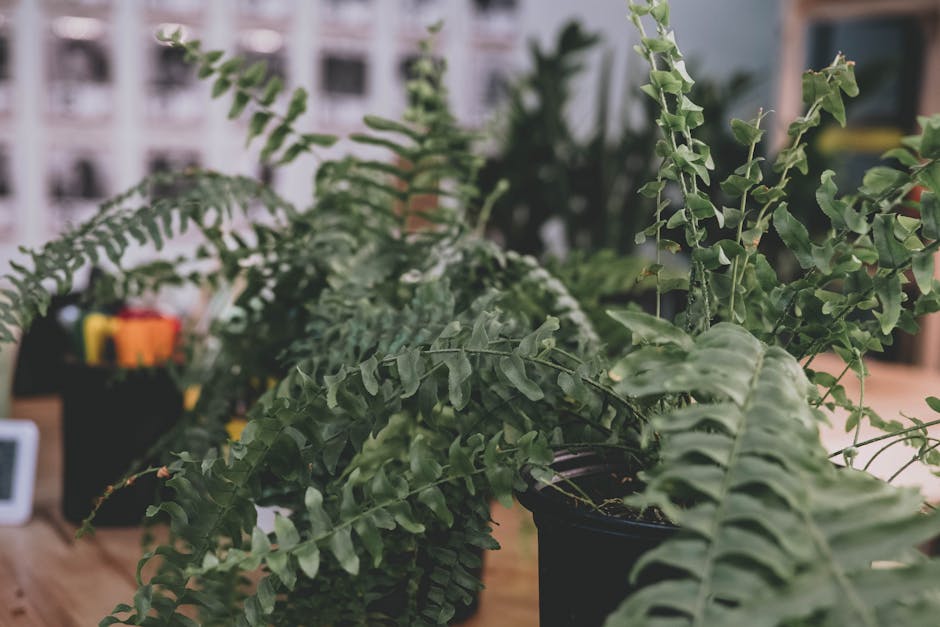
Boston Fern
Best for: Bathrooms or kitchens with humidity
The Boston Fern is a classic houseplant known for its feathery, arching fronds that create a lush, textured look. It thrives in indirect light and high humidity, making it ideal for bathrooms or kitchens with good natural light. This fern’s vibrant green color adds a soft, natural touch that makes any room feel fresher. Plus, it’s safe for both cats and dogs, so you won’t have to worry about your pets nibbling on its delicate leaves. Regular misting keeps the fronds looking their best, and it benefits from slightly moist soil, so it’s perfect if you enjoy a bit of routine care.
Did you know? Boston Ferns love a daily misting—they thrive with a little extra humidity.
9
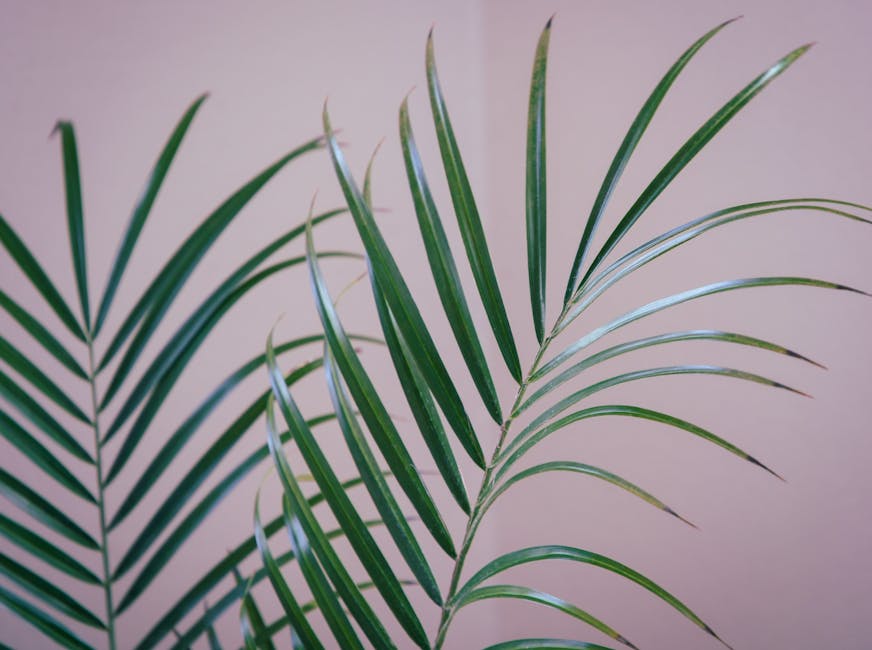
Parlor Palm
Best for: Low-light living rooms or corners
The Parlor Palm brings a tropical vibe without taking up too much floor space, thanks to its slender, arching fronds. It’s one of the easiest palms to care for indoors and tolerates low light better than many others. Its gentle, feathery leaves create a calming atmosphere, perfect for cozy reading nooks or living rooms. Pet owners appreciate that it’s non-toxic to both cats and dogs, so curious paws won’t get hurt. Water it moderately and let the top inch of soil dry out between waterings to keep it happy and thriving.
Did you know? Parlor Palms can grow slowly over time but stay manageable as apartment companions.
8
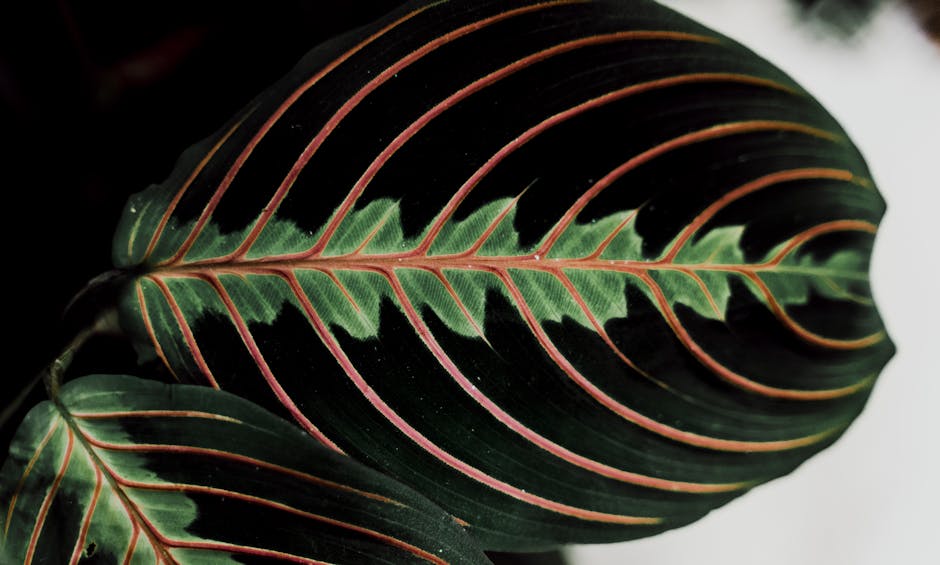
Prayer Plant
Best for: Medium-light windowsills or tabletops
The Prayer Plant is named for its unique habit of folding its leaves upward at night, resembling hands in prayer. Its striking foliage features bold patterns of deep greens, purples, and light stripes that add a pop of color and interest indoors. This plant prefers medium to low indirect light and evenly moist soil, making it perfect for cozy apartments with moderate sunlight. Since it’s safe for pets, it’s a great option for households where four-legged friends might get curious. Plus, its dynamic leaf movements add a little personality to your green collection.
Did you know? The Prayer Plant literally 'prays' by folding its leaves at night—a soothing sight!
7
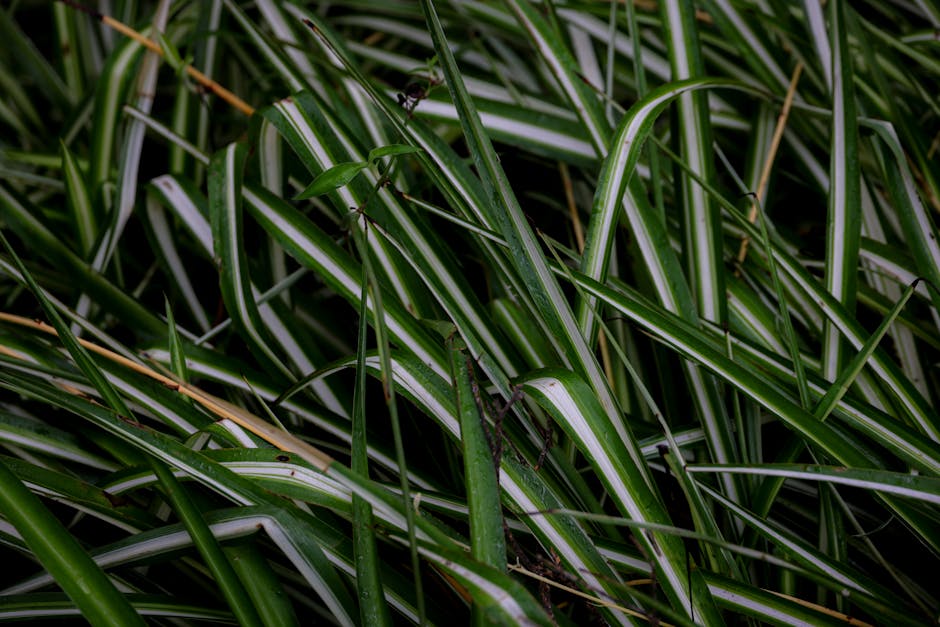
Spider Plant
Best for: Bright windows or hanging baskets
Spider Plants are energetic, easy-care houseplants featuring long, arching leaves striped with white or pale green. They thrive in bright, indirect light but are surprisingly tolerant of lower light levels, making them versatile apartment companions. One fun feature is their tiny 'spiderettes'—small baby plants that dangle from the mother plant—that you can propagate or leave as a natural decoration. Crucially, Spider Plants are non-toxic to pets, so your cats or dogs can safely explore their trailing leaves without danger. Water them when the soil feels dry to the touch for best results.
Did you know? Spider Plant babies can be easily propagated to grow new plants or swapped with friends.
6
Cast Iron Plant
Best for: Low-light corners or shade
The Cast Iron Plant is a sturdy, low-maintenance beauty with long, dark green leaves that add sleek texture to any room. True to its name, this plant is nearly indestructible, tolerating low light and irregular watering schedules — great for busy or forgetful plant owners. Its slow growth habit means it won’t quickly outgrow your space, perfect for apartments. And it’s completely safe for pets, so your cats or dogs can roam freely without risks. Place it in a shaded corner or hallway to bring subtle greenery without fuss.
Did you know? Cast Iron Plants are nearly indestructible, perfect for beginners or busy lifestyles.
5
Peperomia
Best for: Small spaces like desks or shelves
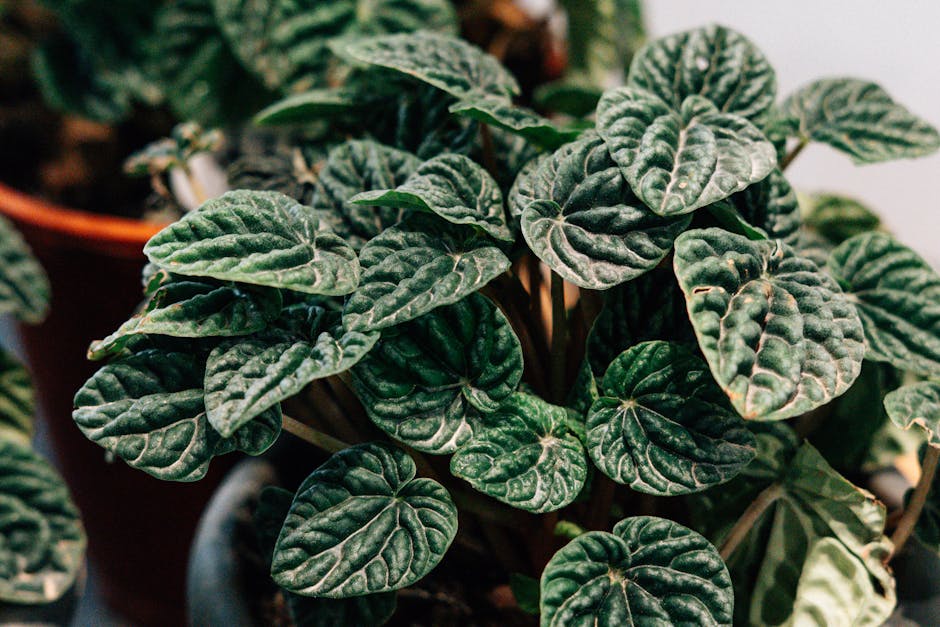
Peperomia is a diverse genus with many compact varieties that feature thick, textured leaves in colors ranging from deep green to silver or even burgundy. Its small size makes it ideal for tabletops, desks, or shelves in tight apartments. Peperomias prefer bright, indirect light and only need watering when the soil is dry, making them forgiving for new plant parents. Most importantly, they’re non-toxic to pets, so your cats or dogs can safely enjoy the greenery. Their waxy, ornamental leaves add a modern, stylish touch that fits well with contemporary home decor.
Did you know? Peperomia leaves often feel like soft rubber, adding a unique tactile element.
4
Calathea
Best for: Shaded corners with humidity
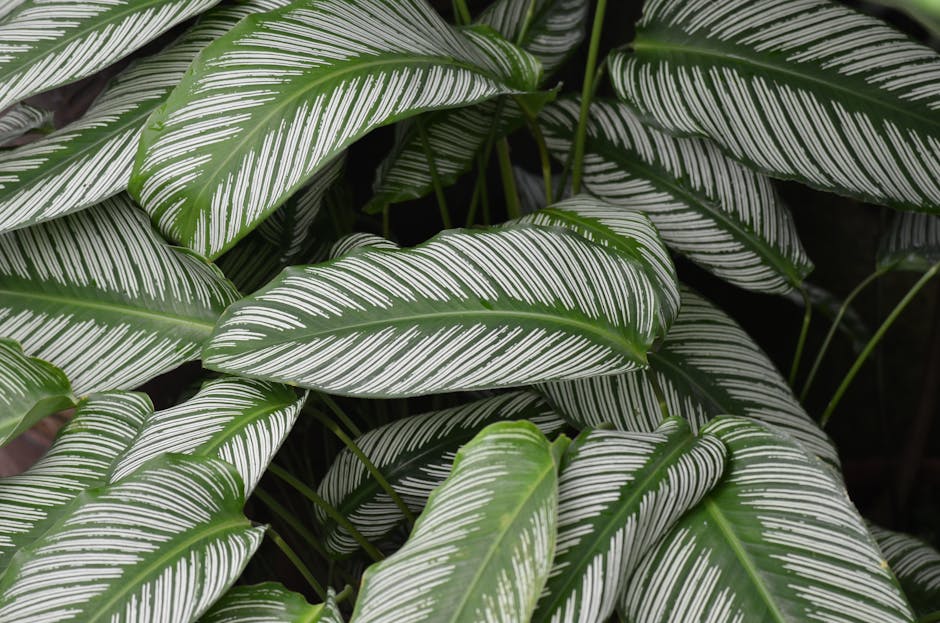
Calathea plants are conversation starters with their bold, graphic leaves patterned in stripes, spots, or feathery designs. These tropical beauties prefer medium to low indirect light and high humidity, making them perfect for cozy, shaded corners or bathrooms with natural light. Calatheas are pet-safe, so your furry friends can explore without toxic worries. They do appreciate consistent moisture and benefit from a weekly misting session. Their colorful foliage injects life and artistry into your apartment's green collection, making every glance a delight.
Did you know? Calathea leaves often fold up at night, showing a whole new pattern underneath.
3
Mosaic Plant (Fittonia)
Best for: Terrariums or humid spots
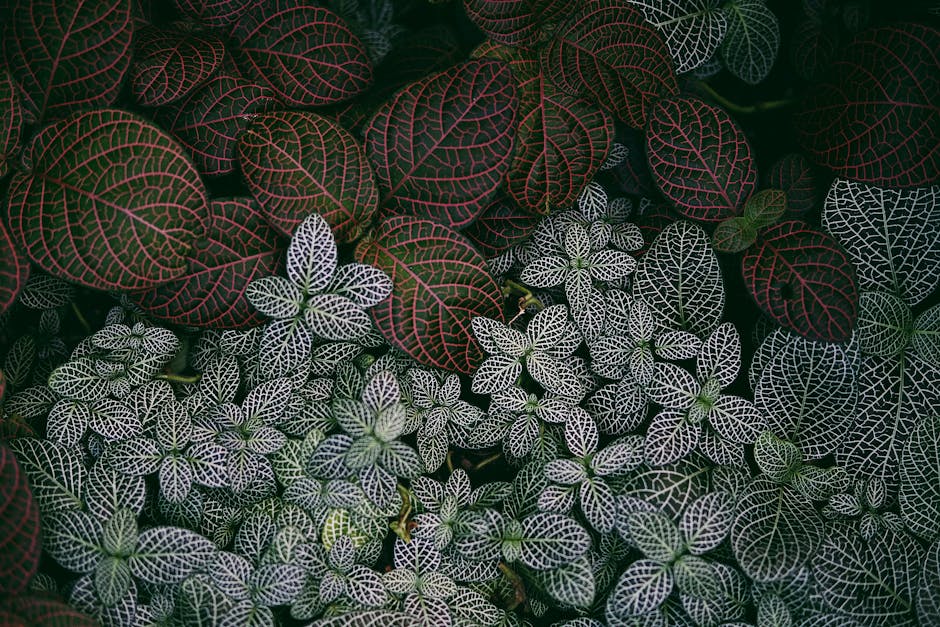
The Mosaic Plant, or Fittonia, is a petite marvel with delicate leaves veined in bright pinks, reds, or whites that instantly brighten any shelf or terrarium. It thrives in indirect, moderate light and loves humidity, making it perfect for bathrooms or kitchens. Its low-growing habit means it fits perfectly on small tables or inside glass terrariums. Fittonia is completely safe for pets, so no worries if your curious cats decide to inspect it. Its vibrant, mosaic-like leaf patterns add color and cheer to even the smallest apartments.
Did you know? Fittonia leaves can 'faint' and droop when thirsty, a clear watering signal.
2
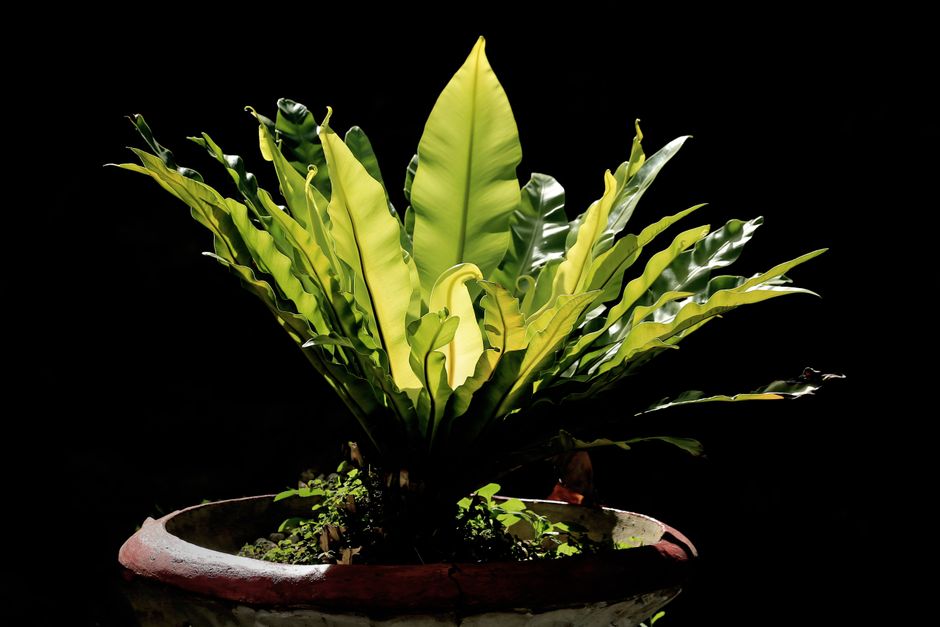
Bird’s Nest Fern
Best for: Medium-light spots and plant stands
The Bird’s Nest Fern features bright, wavy fronds that radiate outward in a rosette shape, creating a lush centerpiece in any room. It thrives in medium to low indirect light and prefers consistent moisture, but be careful not to overwater. This fern is a pet-friendly option that adds a tropical touch without taking up too much space. Its bold green leaves contrast beautifully against white or neutral walls, perfect for making a statement in your cozy apartment. Place it on a plant stand or shelf where it can catch some indirect light and flourish.
Did you know? Bird’s Nest Ferns like their crowns to be moist but never soggy—water the soil, not the center.
1
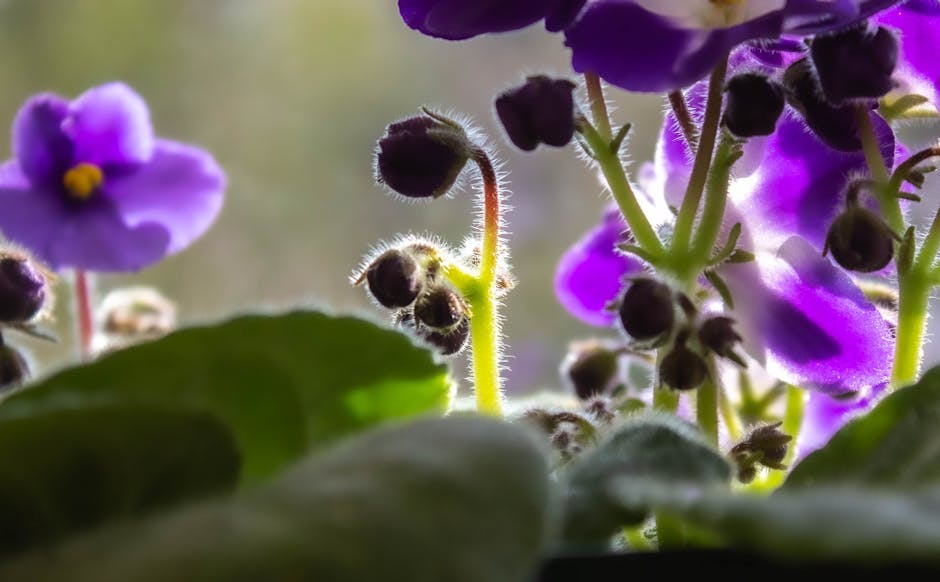
African Violet
Best for: Bright windowsills and small spaces
African Violets are small, charming houseplants prized for their velvety leaves and delicate clusters of violet, pink, or white flowers that bloom repeatedly throughout the year. Perfect for apartments, they thrive on windowsills with bright, indirect light and moderate humidity. Their compact size means they fit easily on desks, shelves, or bathroom counters, adding a cozy splash of color. Best of all, African Violets are non-toxic to pets, so your cats and dogs can safely share your indoor garden. They prefer to be watered from the bottom to avoid leaf spots, making care both easy and rewarding.
Did you know? Water African Violets from the bottom to keep their fuzzy leaves healthy and spot-free.
Printables for a cozier home
Instant downloads from our shop — print at home or at any print shop.
Our #1 pick is African Violet — bright windowsills and small spaces. Still, the right choice comes down to your space, routine, and what you value most. Any idea on this list is a solid place to start.
Frequently asked questions
Are spider plants really safe for cats and dogs?
Yes, spider plants are non-toxic to both cats and dogs. While some pets might be attracted to their arching leaves and baby plantlets, spider plants won’t cause poisoning or severe reactions. However, eating large quantities could cause mild stomach upset, so it’s best to keep an eye on curious pets.
How often should I water a Boston Fern indoors?
Boston Ferns prefer consistently moist soil but not soggy. Aim to water when the top inch of soil feels dry, which is usually about once or twice a week depending on humidity. Misting the fronds daily also helps keep humidity levels high and fronds looking lush.
Can African Violets survive in low-light apartments?
African Violets prefer bright, indirect light and may struggle to bloom in very low light. Placing them near east or north-facing windows or under artificial grow lights can help them thrive and flower regularly even in apartments with less natural sunlight.
Is the Cast Iron Plant truly low maintenance?
Absolutely. The Cast Iron Plant is known for tolerating low light, irregular watering, and general neglect better than most houseplants. It’s a great choice for beginners or those with busy schedules, as it doesn’t require frequent care to stay healthy.