Value FindsDaily

Top 10 Best Dog Breeds for Cold Weather

10 breeds ranked · counting down to #1

By the Value Finds Daily Editorial Team · Last updated May 29, 2026

Save to Pinterest

If you live in a chilly climate or just love the idea of a dog that's built for snowy adventures, there are certain breeds that truly thrive in cold weather. These dogs often come from arctic or mountainous regions and sport thick double coats that keep them cozy when temperatures drop. Choosing a breed like this means you’ll have a companion who’s not just tolerating winter — they’re built for it. From majestic mountain dogs to hardy sledding companions, here are some of the best dog breeds designed to embrace the cold.

How we ranked these: every breed below was chosen for real-world fit — temperament, energy level, grooming needs, and how well it suits everyday households. We count down from #10 to our #1 pick, so keep scrolling for the top spot.
At a glance: 10 breeds compared
#BreedSizeEnergySheddingTrainingBarkingLifespanKids
1Saint Bernardgiantlowhighmoderatelow8–10 yrsYes
2Alaskan Malamutelargehighhighmoderatemedium10–14 yrsYes
3Samoyedlargemediumhigheasymedium12–14 yrsYes
4Chow Chowmediumlowhighhardmedium8–12 yrsNo
5Leonbergergiantmediumhighmoderatelow8–9 yrsYes
6Greater Swiss Mountain Doggiantmediummediummoderatemedium8–11 yrsYes
7Finnish Spitzmediummediummediummoderatehigh12–15 yrsYes
8Keeshondmediummediumhigheasyhigh12–15 yrsYes
9Norwegian Elkhoundmediummediumhighmoderatemedium12–15 yrsYes
10Finnish Lapphundmediummediumhigheasymedium12–15 yrsYes
10

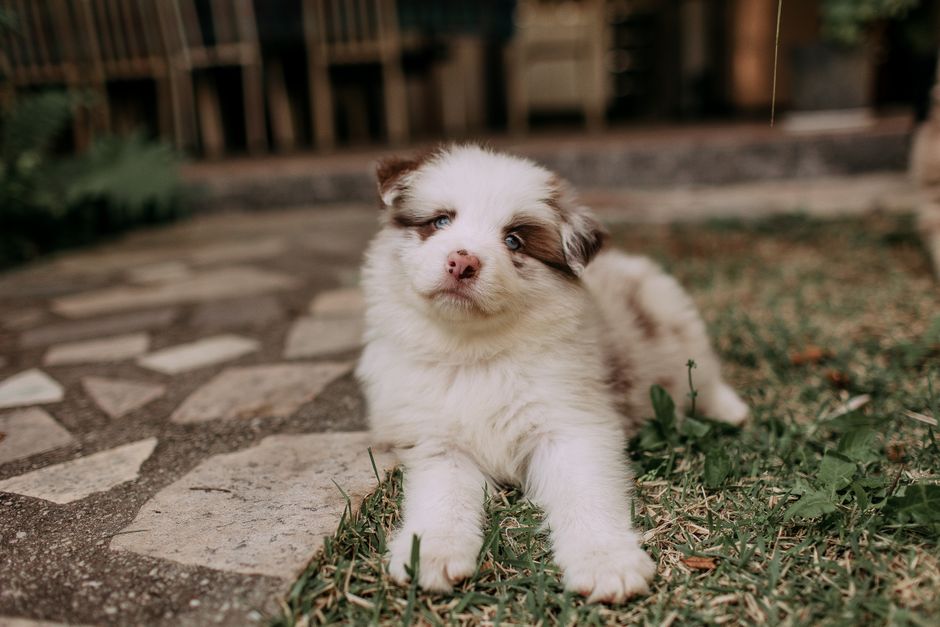
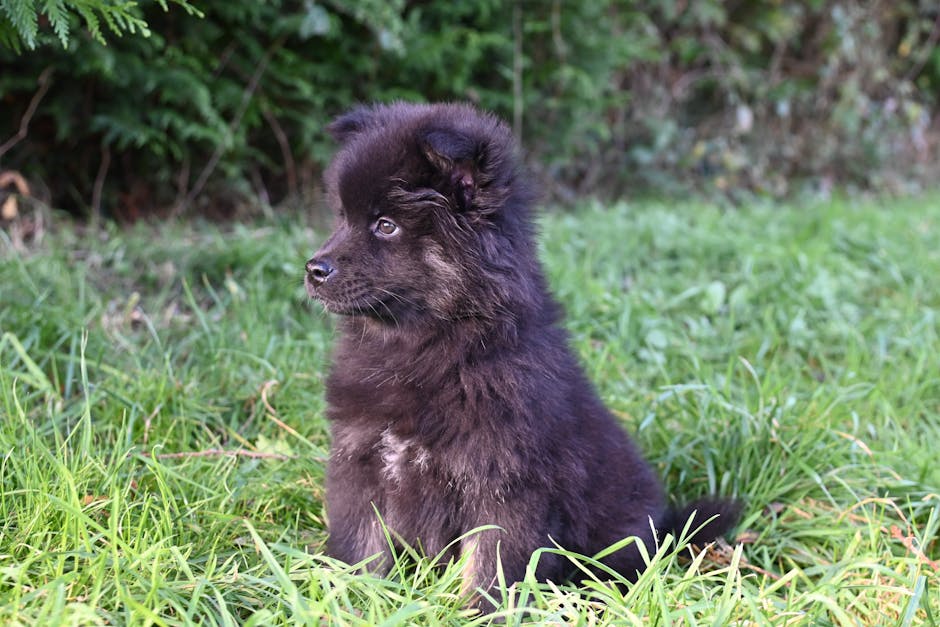
Finnish Lapphund

Finnish Lapphund

Best for: active families in cold climates

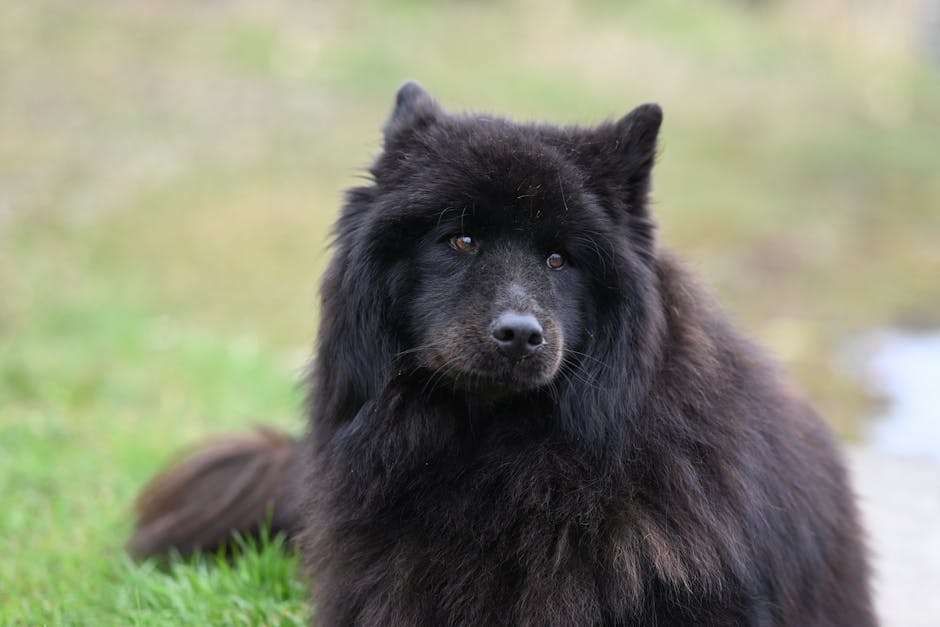
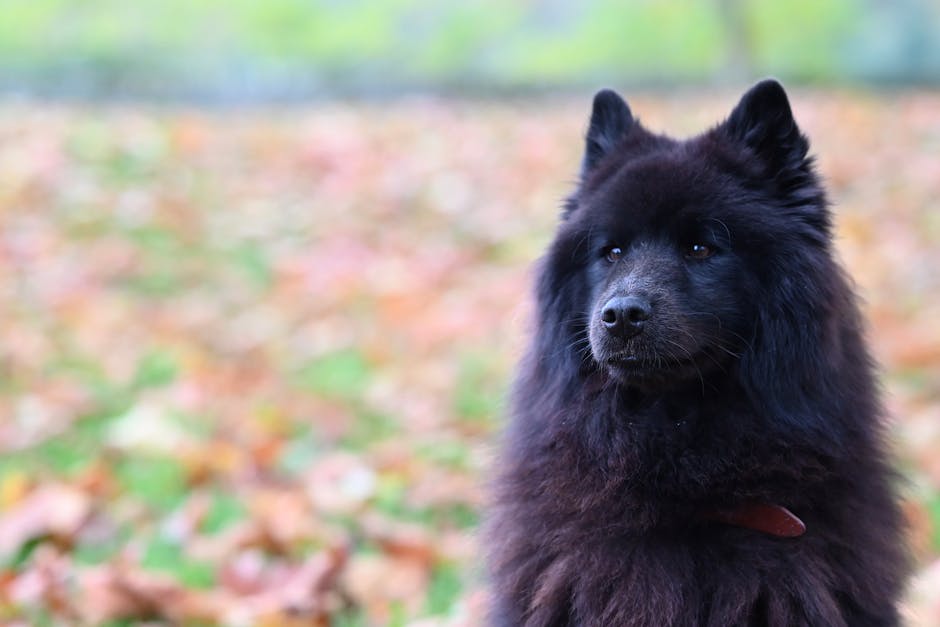
The Finnish Lapphund is a charming and resilient breed that comes from the cold Lapland region of Finland. Known for their friendly demeanor and thick, weather-resistant double coat, these dogs were originally bred to herd reindeer in freezing conditions. They’re sturdy and agile, with a fluffy tail that curls over their back, showcasing their Nordic heritage. Finnish Lapphunds are adaptable and intelligent, making them easy to train while still being independent enough to handle harsh climates. They love outdoor activities and are happiest when spending time in cooler weather, making them a great fit for families who enjoy winter hikes or snow-filled fun.

Did you know? Finnish Lapphunds have a unique ability to stay warm even in icy temperatures thanks to their dense double coat and thick underfur.
9

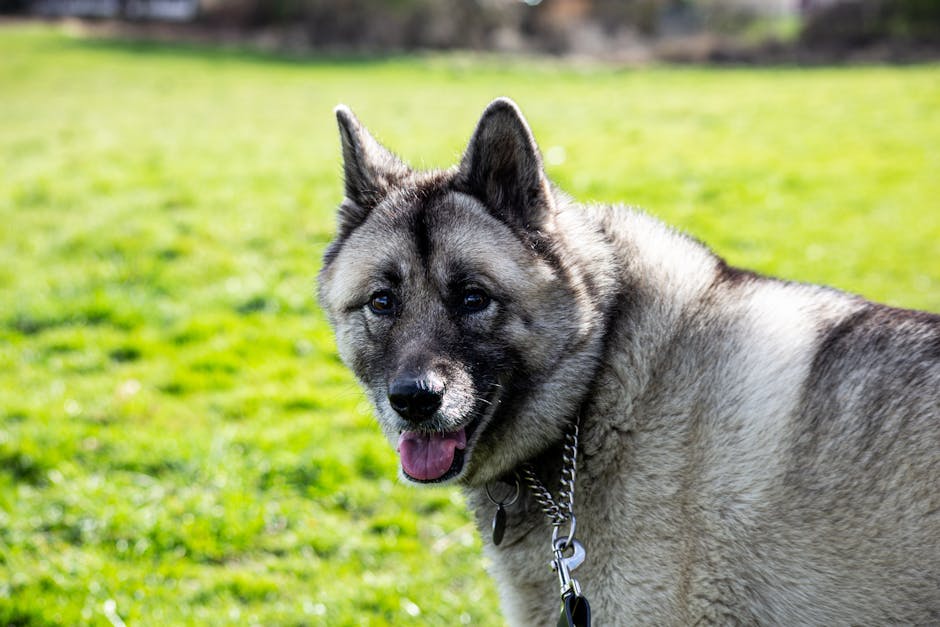
Norwegian Elkhound

Norwegian Elkhound

Best for: outdoor enthusiasts in cold regions

Hailing from Norway, the Norwegian Elkhound is a rugged and versatile breed that has been used for hunting and guarding in cold, mountainous regions for centuries. Their dense, weather-resistant coat and curled tail help them stay warm and agile in snowy terrain. Elkhounds are spirited and alert, making them excellent watchdogs as well as loyal companions. Despite their strong hunting instincts, they’re affectionate with family and enjoy being part of active households. Their stamina and resilience are unmatched when the temperature drops, making them a solid choice for anyone living where winters are long and brisk.

Did you know? Norwegian Elkhounds have been Norway’s national dog since the 1930s and were prized by Vikings for their hunting skills.

8

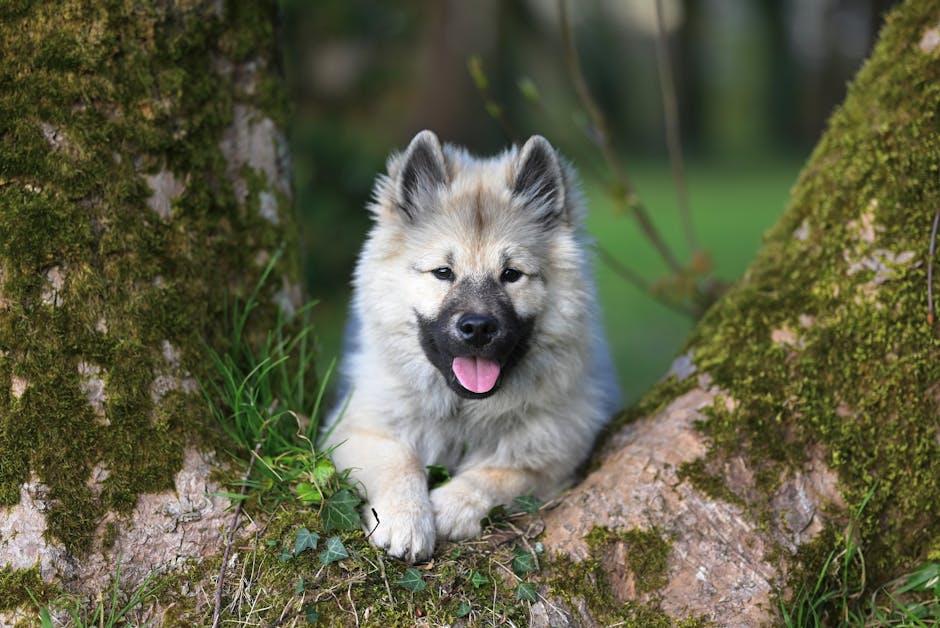
Keeshond

Keeshond

Best for: families seeking a friendly, cold-weather companion

The Keeshond is a striking spitz-type breed with a plush double coat, perfect for colder climates. Originating in the Netherlands, these dogs were once used as barge watchdogs along chilly rivers and canals. Their thick fur shields them from wind and cold, while their expressive faces and ‘spectacles’—distinct markings around their eyes—make them instantly recognizable. Keeshonds are friendly, outgoing, and thrive when they’re part of family life. They’re slightly smaller than some of the mountain breeds but still built to handle cold weather with ease. If you want a sociable dog who’s equally at home on a snowy walk or cuddled up by the fire, the Keeshond is a great pick.

Did you know? Keeshonds were known as ‘Dutch Barge Dogs’ because they guarded ships and kept crews safe along icy waterways.

7

Finnish Spitz

Finnish Spitz

Best for: active hunters and outdoors lovers

The Finnish Spitz is Finland’s national dog and a true hardy breed for cold climates. With a dense double coat that repels snow and cold, they were originally bred as hunting dogs to track small game in snowy forests. Their fox-like appearance, complete with pointed ears and a curled tail, adds to their charm. Known for being vocal and alert, Finnish Spitzes make great watchdogs without being aggressive. They’re energetic and love to explore outdoors, making them a good fit for active owners who live where winters are long and snowy. Their agility and endurance shine best in crisp, cold air.

Did you know? Finnish Spitzes are famous for their unique barking style used to alert hunters during a chase.

6

Greater Swiss Mountain Dog

Greater Swiss Mountain Dog

Best for: families needing a calm, strong cold-weather dog

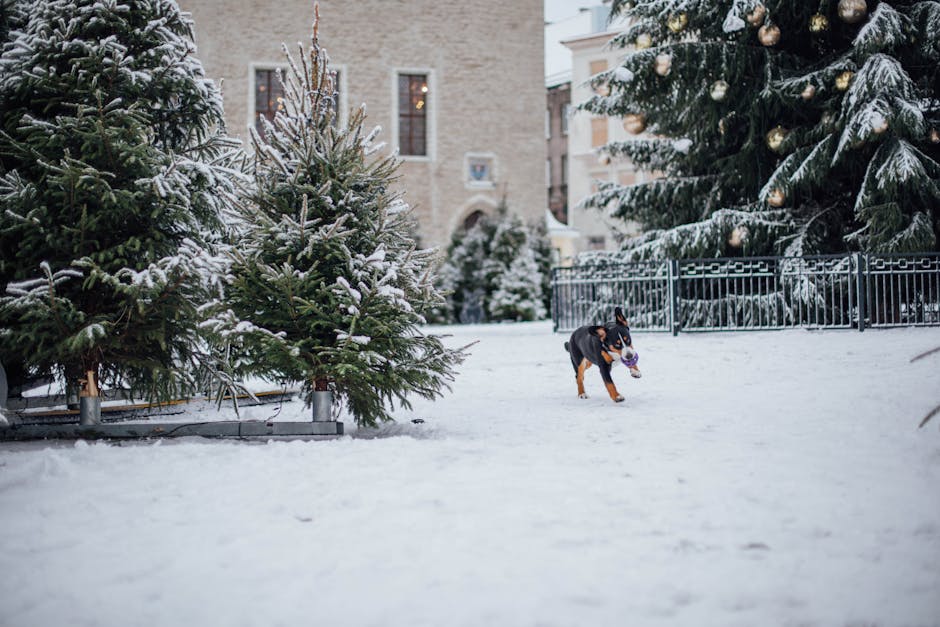
The Greater Swiss Mountain Dog is a gentle giant with a thick, weather-resistant coat ideal for cold mountain climates. Originating in the Swiss Alps, these dogs were bred to pull carts and guard livestock in chilly environments. Their sturdy build and calm temperament make them excellent family companions, especially for those who enjoy outdoor life in cooler regions. They’re surprisingly agile for their size and have a striking tri-color coat that stands out against snowy backdrops. If you’re looking for a patient, strong dog that can handle cold weather duties and be a loving member of the family, the Greater Swiss Mountain Dog is a wonderful choice.

Did you know? Greater Swiss Mountain Dogs have been used for centuries by Swiss farmers to pull carts loaded with goods across snowy mountain paths.

5

Leonberger

Leonberger

Best for: families seeking a gentle giant for cold weather

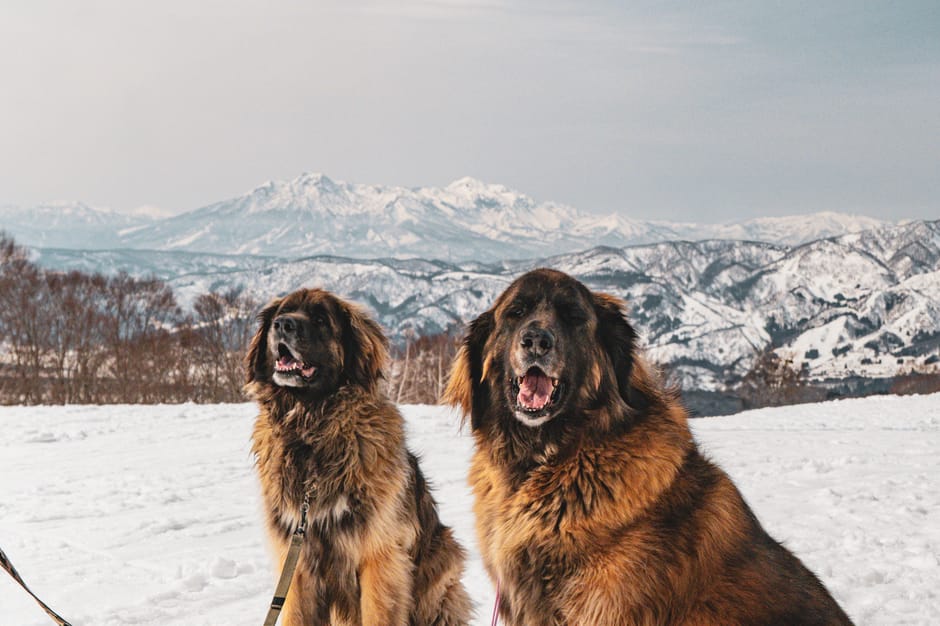
The Leonberger is a majestic and powerful breed with a dense double coat that helps it thrive in cold weather. Hailing from Germany’s mountainous regions, these dogs were originally bred to resemble lions and serve as working companions. Their thick mane-like fur around the neck and chest provides excellent insulation against freezing temperatures. Despite their large size, Leonbergers are gentle, patient, and great with families, making them perfect for those who want a big dog built for winter fun. They enjoy outdoor activities and don’t mind trudging through snow or chilly weather, making them a great fit for cold climates where companionship and warmth go hand in hand.

Did you know? Leonbergers were bred to look like lions and even served as water rescue dogs in cold alpine regions.

4

Chow Chow

Chow Chow

Best for: owners wanting a distinctive, cold-hardy companion

With their dense double coat and lion-like mane, Chow Chows are unmistakably built for cold weather. Originating in northern China, these dogs were bred for guarding and hunting in harsh climates. They have a distinctive blue-black tongue and a proud, independent personality. Chow Chows are known for their loyalty and can be reserved, but with proper socialization, they become devoted family members. Their thick fur provides superb insulation, so they’re comfortable in snow and cold air. While they don’t need constant activity, they do appreciate short walks in chilly weather, making them a solid choice for those living in colder areas who want a unique and dignified dog.

Did you know? Chow Chows have a famously blue-black tongue, a trait shared with only a few other breeds worldwide.

3

Samoyed

Samoyed

Best for: active families in snowy climates

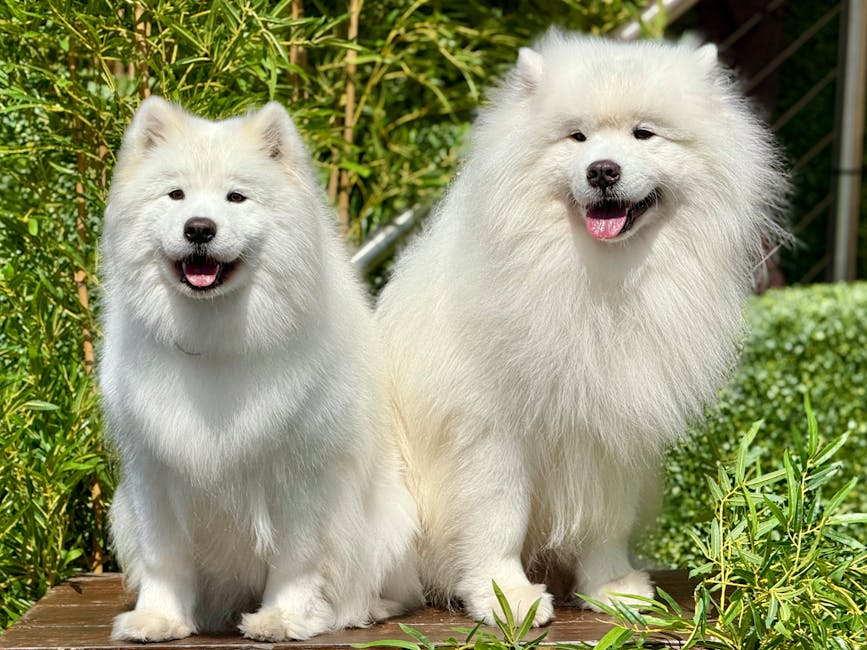
Samoyeds are the quintessential cold-weather dogs, with their fluffy white coats and friendly smiles. Originating from Siberia, they were bred to herd reindeer and pull sleds in freezing temperatures. Their dense, double-layered coat is naturally water-resistant and keeps them cozy even in the coldest conditions. Samoyeds are known for their gentle, social nature and their signature 'Sammy smile' that wins hearts everywhere. They thrive when they have plenty of outdoor exercise and space to roam, making them an excellent fit for active families in snowy regions. Their thick fur requires regular grooming, but in return, you get a dog that truly loves the cold and looks stunning in it.

Did you know? Samoyeds have a unique smile that helps prevent drooling, which would freeze in arctic conditions.

2

Alaskan Malamute

Alaskan Malamute

Best for: experienced owners in extremely cold environments

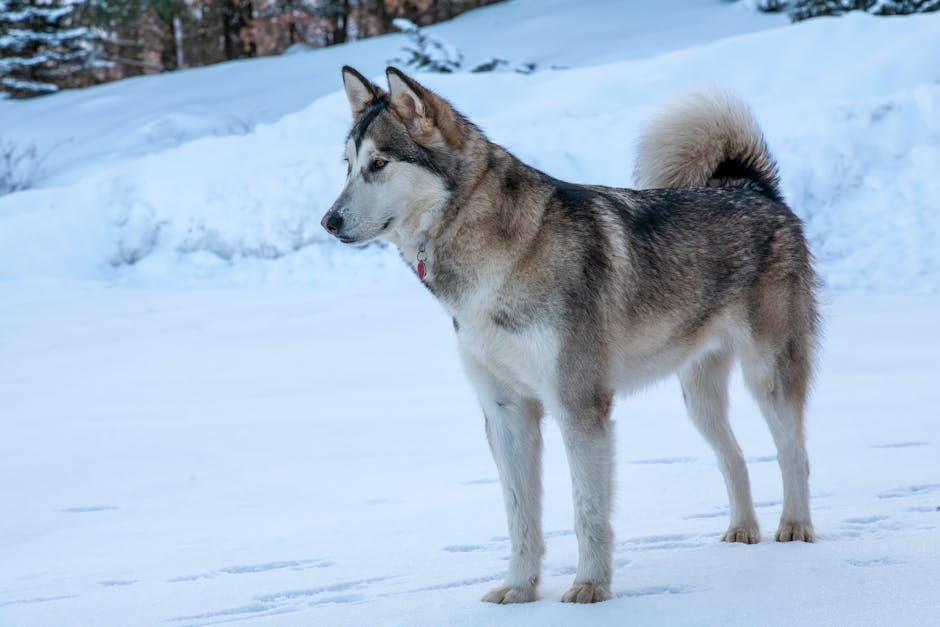
The Alaskan Malamute is a powerhouse built for the harshest cold weather. Originally bred by the native Inuit people for hauling heavy loads across frozen tundra, these dogs have a thick double coat, strong bone structure, and incredible endurance. They’re affectionate and loyal but also independent thinkers, requiring confident handling. Malamutes love snow and cold, and their dense fur protects them from frostbite and icy winds. They’re happiest with plenty of exercise and a job to do, whether it’s pulling sleds or accompanying you on winter hikes. If you’re in a truly cold climate and want a strong, rugged companion who thrives in snow, the Alaskan Malamute is tough to beat.

Did you know? Alaskan Malamutes can haul loads up to twice their own weight across snowy terrain.

1

Saint Bernard

Saint Bernard

Best for: families in cold climates seeking a calm giant

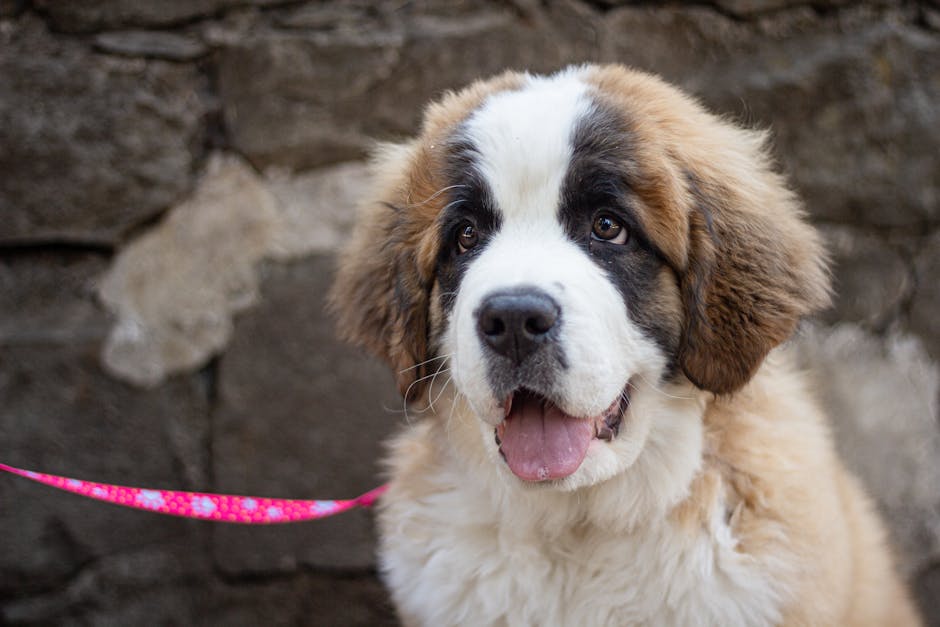
Saint Bernards are synonymous with cold mountain climates, famous for their history of rescue work in the Swiss Alps. These gentle giants have a dense, weather-resistant double coat that keeps them warm in snow and freezing temperatures. Their massive size and strength made them ideal for navigating treacherous icy paths to find lost travelers. Despite their imposing appearance, Saint Bernards are incredibly gentle, patient, and affectionate family dogs. They enjoy cool weather and are better suited to chilly environments than hot ones. If you want a loyal, calm companion who’s built for cold weather and has a storied past of mountain heroism, the Saint Bernard stands unmatched.

Did you know? Saint Bernards historically carried small barrels of brandy around their necks to help warm stranded travelers in the Alps.

Bringing one of these home? Start here

The first-month essentials we recommend to every new owner. Affiliate links — we may earn a small commission at no extra cost to you.

Printable art for dog lovers

Instant downloads from our shop — print at home or at any print shop.

The bottom line

Our #1 pick is Saint Bernard — families in cold climates seeking a calm giant. Still, the right choice comes down to your space, routine, and what you value most. Any breed on this list is a solid place to start.

Frequently asked questions

What traits make these dog breeds well-suited for cold weather?
These breeds typically have thick double coats that provide insulation against snow and freezing temperatures. They also tend to have larger bodies that retain heat better, and some have features like furry paws and bushy tails to protect against frostbite. Their genetics often come from colder regions, making them naturally built for winter climates.
Can these cold-weather breeds adapt to living in warmer climates?
While many of these breeds can live in warmer areas, they may struggle with heat due to their thick coats. Owners should provide plenty of shade, fresh water, and avoid strenuous activity during hot weather. Regular grooming to remove excess undercoat can help, but these breeds generally thrive best in cooler environments.
Are these breeds generally good family dogs in addition to handling cold weather?
Yes, most of these breeds are known for friendly and loyal temperaments, making them great family pets. For example, Saint Bernards and Samoyeds are gentle and good with children. However, some can be independent or strong-willed, so early socialization and training are important to ensure they fit well into your family life.
What kind of grooming do cold-weather breeds require to keep their coats healthy?
These breeds need regular grooming to prevent mats and remove loose undercoat, especially during shedding seasons. Brushing several times a week helps maintain their insulating fur and reduces shedding indoors. Bathing should be done as needed with dog-safe shampoos, and attention to paw care is important to avoid ice buildup or irritation from salt on sidewalks.

More guides you'll love