Building your own diy pool ladder is the perfect weekend project to upgrade your backyard oasis without spending a fortune. Whether you have a rustic stock tank pool, a classic above-ground setup, or a custom deck that needs a safe entry point, creating a custom ladder allows you to match your home's unique aesthetic. Standard plastic pool steps can look bulky and out of place in a carefully curated yard. By gathering the right materials—like weather-resistant cedar, sleek stainless steel rails, or heavy-duty PVC—you can craft a sturdy, beautiful access point. Below, we've rounded up the best shoppable kits, materials, and hardware to help you bring your custom pool ladder vision to life securely and stylishly. Let's dive into these brilliant backyard upgrades!
This article contains affiliate links. We may earn a small commission at no extra cost to you.
How we ranked these: every ladder plans and material below was chosen for real-world fit — practicality, style, value, and how easily it works in a real home. We count down from #9 to our #1 pick, so keep scrolling for the top spot.
9
Submersible LED Step Lights
Best for: Adding safety and a luxurious nighttime ambiance to any pool entry.
No custom pool ladder is truly complete without proper lighting for evening swims. Submersible LED step lights are a brilliant, easy-to-install addition to your DIY project. These small, waterproof puck lights can be attached to the risers of your pool stairs or the sides of your ladder using heavy-duty underwater adhesive or built-in suction cups. They run on batteries or solar power, completely eliminating the need to hire an electrician for complicated wiring. With a remote control, you can change the colors to match your mood, instantly transforming your backyard into a glowing, resort-like oasis at night. Lighting your ladder not only elevates the aesthetic dramatically but also makes nighttime pool entry significantly safer for everyone.
Did you know? Opt for lights with a magnetic base; you can glue a small metal washer to your plastic or wood ladder, allowing you to easily pop the lights off for battery changes.
Best for: Creating custom, industrial-style handrails for a rustic backyard vibe.
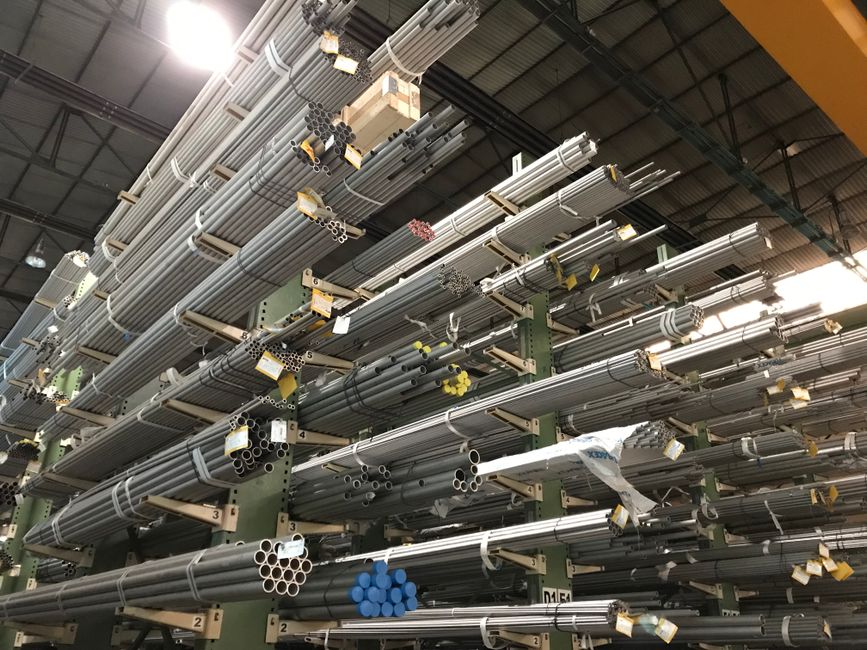
If your backyard oasis leans toward an industrial, farmhouse, or rustic aesthetic, constructing your pool ladder grab rails from galvanized steel plumbing pipes is an incredible design choice. Using standard threaded pipes, elbows, and floor flanges, you can assemble custom handrails that bolt securely onto your wooden deck. The chunky, metallic look pairs beautifully with cedar decking and black hardware. While galvanized steel is highly rust-resistant, it is a good idea to spray the finished assembly with a clear, rust-blocking enamel to protect it from chlorine and saltwater exposure. This DIY hardware hack allows you to create ultra-sturdy, custom-sized rails that look like expensive architectural elements for a fraction of the cost.
Did you know? Before assembling, wipe the pipes down with mineral spirits to remove the greasy factory coating, ensuring your clear protective enamel adheres properly.
Best for: Budget-friendly, fully customizable ladders for stock tank pools.
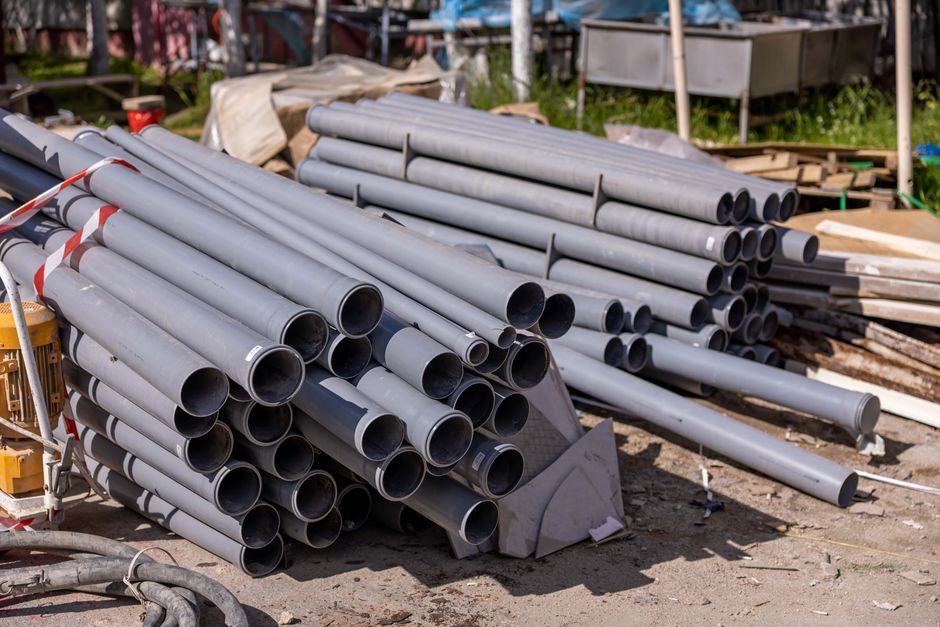
Building a diy pool ladder out of Schedule 40 PVC is one of the most popular, budget-friendly projects for stock tank pools and small above-ground setups. Schedule 40 PVC is thick, durable, and easily handles the weight of an adult when properly braced. By purchasing a combination of 1.5-inch pipes, T-joints, and elbow fittings, you can design a custom ladder perfectly tailored to the exact height of your pool wall. The brilliant white finish looks remarkably clean and modern against a galvanized metal stock tank. PVC is also completely impervious to water and pool chemicals, guaranteeing it will never rust or rot. Just remember to use a high-quality PVC primer and cement to weld the joints together permanently.
Did you know? Drill small holes in the submerged sections of the PVC pipes so they fill with water; this prevents the lightweight ladder from floating up to the surface.
Best for: Families with young kids or older adults who need a wide, gentle entry.
For a luxurious, resort-style entry without the massive construction project, drop-in wedding cake pool steps are a phenomenal alternative to a traditional ladder. These wide, sweeping curved steps sit directly inside your above-ground or semi-inground pool. While they are pre-manufactured, they act as the perfect foundation for a DIY aesthetic—simply build your custom wooden deck right up to the lip of the pool where the steps begin. They offer a wide seating area, making them a fantastic spot to lounge with a cold drink. The perforated design allows water and pool chemicals to circulate freely behind them, preventing algae buildup. It is the easiest way to achieve an elegant, built-in look with minimal effort.
Did you know? Place a protective pool step mat underneath the base of these stairs to prevent the plastic edges from wearing a hole in your vinyl pool liner over time.
Best for: Adding traction to homemade PVC, metal, or painted wood ladder rungs.
If you are building a ladder out of sealed wood, PVC, or smooth metal, adding marine-grade anti-slip grip tape is a crucial safety step you cannot skip. Pool ladders get incredibly slick when coated in water and sunscreen. This specialized tape is designed specifically for wet environments and boats, meaning the adhesive will not peel away when submerged or splashed. It comes in clear, black, or even glow-in-the-dark strips for nighttime swimming. Simply cut the strips to size, round the corners with scissors to prevent peeling edges, and apply them to the center of each ladder rung. It is a highly affordable upgrade that instantly transforms a slippery DIY ladder into a safe, family-friendly entry point.
Did you know? Use a hair dryer or heat gun to gently warm the tape during application; the heat helps the adhesive bond permanently to the rung surface.
Best for: Creating safe, splinter-free treads for custom pool stairs.
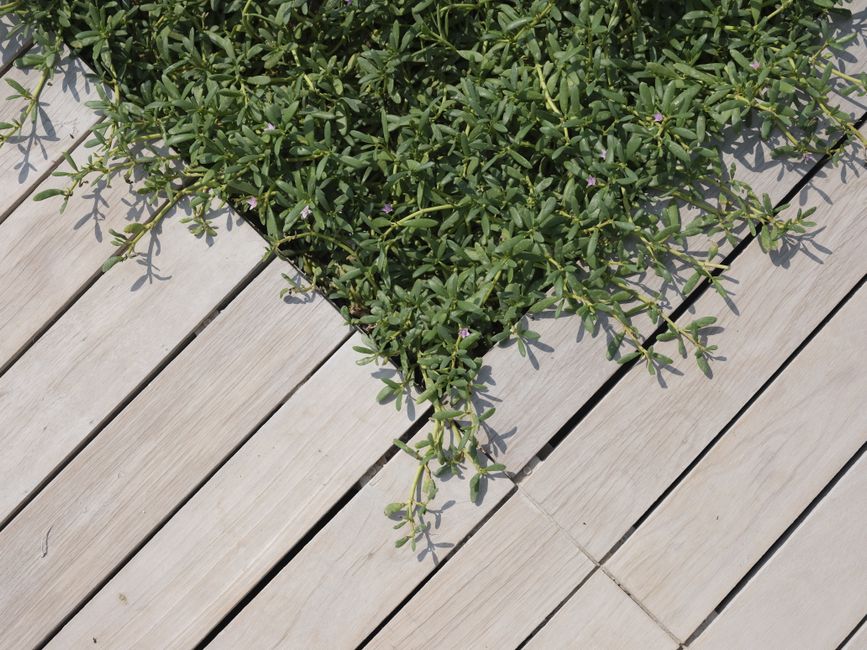
When crafting your own custom pool steps or a wooden ladder, choosing the right material for the treads is critical. Slip-resistant composite decking boards are the absolute best choice for wet, barefoot traffic. Unlike traditional wood, composite boards will never splinter, warp, or rot from constant exposure to splashed pool water and harsh sun. They feature a textured wood-grain surface that provides excellent grip when you are stepping out of the water. Available in gorgeous shades from weathered gray to warm teak, they allow you to match your pool ladder to your existing patio furniture or deck. They are incredibly easy to cut with a standard saw, making your DIY build both beautiful and exceptionally safe.
Did you know? Use hidden fastening clips when installing the boards so you do not have any visible screw heads to stub your toes on.
Best for: Building wide, custom wooden stairs from a deck to the pool edge.
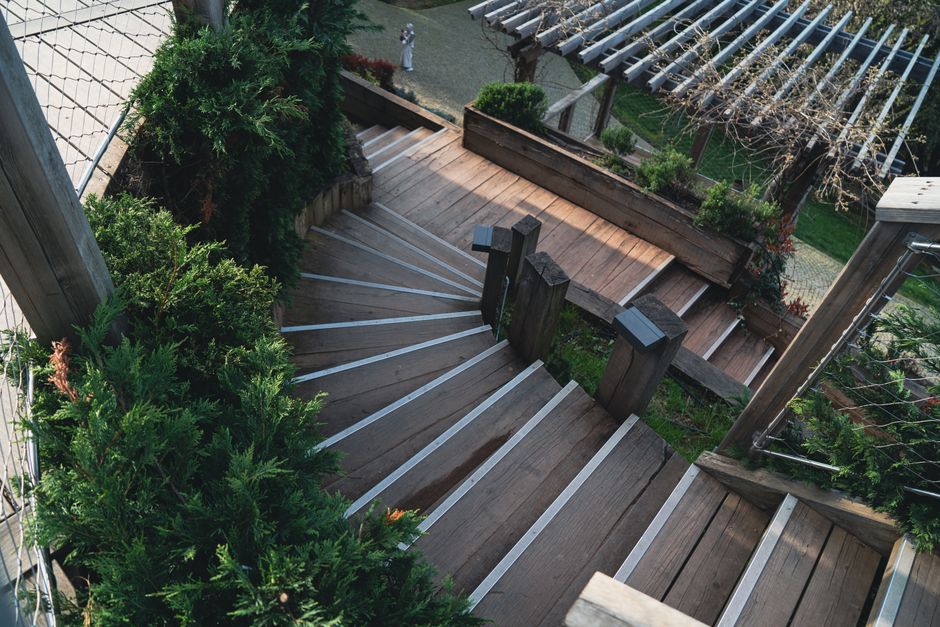
For those constructing a permanent, deck-to-pool entry, pre-cut pressure-treated wood stair stringers are the ultimate shortcut for a seamless diy pool ladder. Cutting stringers from scratch requires advanced carpentry skills and complex math, but buying them pre-cut saves hours of frustration. You can attach these directly to your pool deck framing to create a gentle, cascading staircase down to the water's edge. Once installed, simply top them with moisture-resistant composite decking boards or sealed cedar planks. Because they are pressure-treated, they will withstand moisture and humidity from the pool area. This approach allows you to build a wide, luxurious staircase that feels like a natural extension of your outdoor living space rather than a temporary add-on.
Did you know? Always apply a generous layer of copper naphthenate wood preservative to any cut ends of the stringers to ensure maximum rot resistance.
Best for: Freestanding above-ground pools needing a secure, lockable entry.
Sometimes the best DIY project is assembling and customizing a high-quality pre-made kit. A heavy-duty resin A-frame ladder is ideal for freestanding above-ground pools without a surrounding deck. These kits are incredibly sturdy, support significant weight, and often feature a roll-guard or flip-up outside section to prevent unsupervised access by kids or pets. To make it look more integrated into your backyard oasis, many homeowners build a small decorative landing pad out of composite decking at the base of the ladder. The resin material is completely maintenance-free, meaning you will never have to worry about splinters, rust, or repainting. It is a practical, safe foundation that you can seamlessly blend into your outdoor aesthetic.
Did you know? Fill the hollow interior legs with a few pounds of pool filter sand before sealing them to prevent the ladder from floating.
Best for: Custom wooden deck stairs and stock tank pools.
If you are building a custom wooden stair entry for your above-ground pool or stock tank, a sleek pair of stainless steel handrails is an absolute must-have for safety and style. These rails bolt directly into your deck or the top steps of your wooden diy pool ladder, providing a sturdy grip that resists rust and harsh pool chemicals. Unlike chunky plastic alternatives, the minimalist curve of stainless steel gives your backyard oasis a high-end, resort-quality feel. When installing, make sure to use marine-grade stainless steel lag bolts to secure the base plates firmly into structural framing, not just the deck boards. This ensures the rails will not wobble over time. They are the perfect finishing touch for a modern, custom pool entry.
Did you know? Rub a light coat of car wax on the rails at the start of the season to prevent water spots and maintain that mirror-like shine.
Our #1 pick is Stainless Steel Deck-Mount Handrails — custom wooden deck stairs and stock tank pools.. Still, the right choice comes down to your space, routine, and what you value most. Any ladder plans and material on this list is a solid place to start.
Frequently asked questions
What is the best material for a DIY pool ladder?
The best materials are those that resist water and pool chemicals. Schedule 40 PVC is great for budget-friendly ladders. For wooden stairs, pressure-treated pine or cedar paired with slip-resistant composite decking boards offers incredible durability. Stainless steel is ideal for handrails due to its rust resistance.
How do I keep my DIY PVC pool ladder from floating?
PVC is highly buoyant, so a sealed ladder will easily float. To prevent this, drill small holes in the bottom and sides of the submerged pipe sections. This allows the pipes to fill with water, anchoring the ladder securely to the bottom of the pool.
Are wooden pool ladders safe for above-ground pools?
Yes, wooden ladders and steps are very safe if constructed properly. You must use water-resistant wood, secure the structure to a stable deck, and apply marine-grade anti-slip tape or use textured composite boards on the treads to prevent dangerous slips when wet.
How wide should custom pool steps be?
For maximum comfort and safety, custom pool steps should be at least 24 to 36 inches wide. The treads should be deep enough to comfortably fit an adult foot, typically around 10 to 12 inches, with a riser height of about 7 inches.