- What is the main purpose of a door overhang?
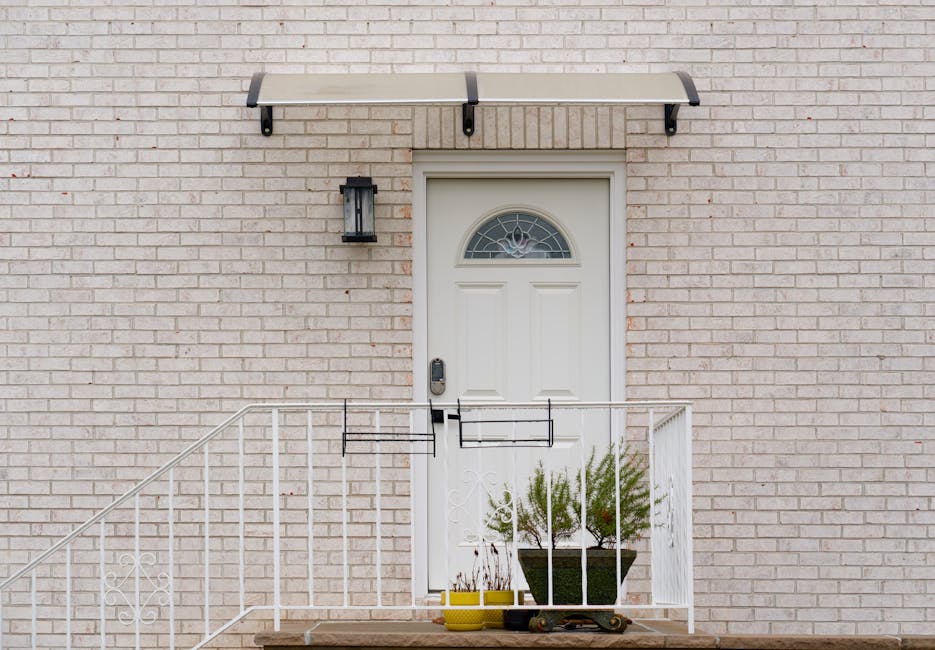
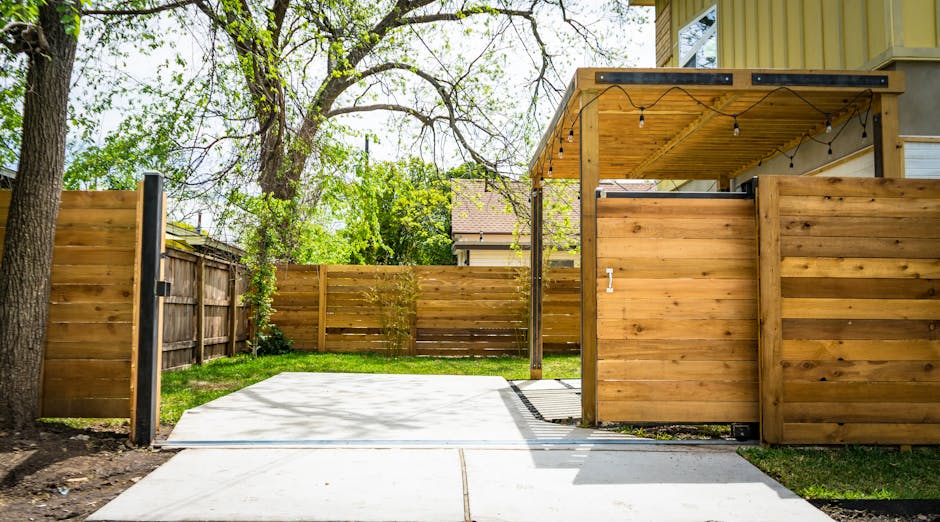
- A door overhang primarily protects your entryway from rain, snow, and sun, helping to prevent water damage and reducing heat exposure. It also enhances curb appeal by adding architectural interest and can provide a welcoming sheltered area at your front door.
- Which materials are best for door overhangs?
- Common materials include aluminum, wood, polycarbonate, glass, wrought iron, and copper. The best choice depends on your home’s style, climate, and maintenance preferences. For example, aluminum is low maintenance and weather-resistant, while wood offers classic warmth but may require upkeep.
- Can I install a door overhang myself?
- Some door overhangs, like lightweight aluminum awnings or fabric valances, can be DIY projects if you have basic tools and skills. However, larger structures, glass canopies, or heavy wood pergolas typically require professional installation to ensure safety and durability.
- How do I maintain a door overhang?
- Maintenance varies by material. Aluminum and polycarbonate need occasional cleaning with mild soap and water. Wood overhangs may require periodic staining or sealing to protect against weather. For metal overhangs, inspect for rust and touch up paint as needed to prolong lifespan.