Value FindsDaily

Top 7 Best Dog Breeds That Get Along With Cats

7 breeds ranked · counting down to #1

By the Value Finds Daily Editorial Team · Last updated May 29, 2026

Save to Pinterest

Finding a dog that can peacefully coexist with your feline friends is all about choosing breeds known for their gentle nature and lower prey drives. While every dog is an individual, some breeds tend to be calmer around small animals and less likely to chase or stress out cats. Whether you want a playful companion or a laid-back buddy, these breeds have earned their reputation for being more cat-friendly. Here’s a carefully selected list of dog breeds that often thrive in homes with cats, ranked from good fits to the very best companions for your kitty.

How we ranked these: every breed below was chosen for real-world fit — temperament, energy level, grooming needs, and how well it suits everyday households. We count down from #7 to our #1 pick, so keep scrolling for the top spot.
At a glance: 7 breeds compared
#BreedSizeEnergySheddingTrainingBarkingLifespanKids
1English Springer Spanielmediumhighmediumeasymedium12–14 yrsYes
2Great Danegiantmediummediummoderatelow7–10 yrsYes
3Bichon Frisesmallmediumloweasymedium12–15 yrsYes
4Havanesesmallmediumloweasymedium14–16 yrsYes
5Cavalier King Charles Spanielsmallmediummediumeasylow9–14 yrsYes
6Standard Poodlelargehighloweasymedium12–15 yrsYes
7Golden Retrieverlargehighhigheasymedium10–12 yrsYes
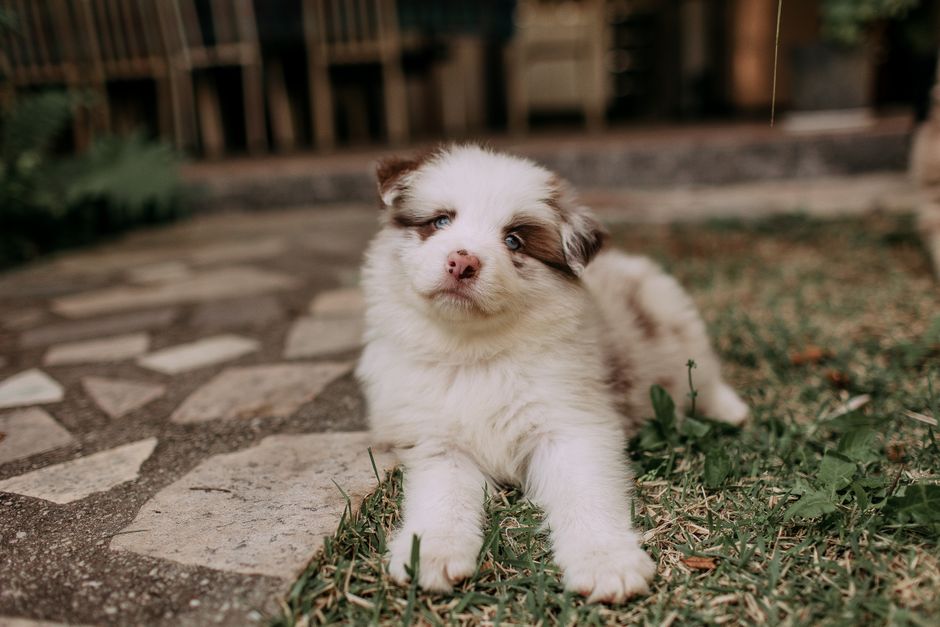
7

Golden Retriever

Golden Retriever

Best for: Families seeking a friendly, social dog that can coexist with cats

Golden Retrievers are famously friendly and adaptable dogs who often do well with cats. Their easygoing temperament and social nature mean they’re typically not aggressive or overly curious in a way that disturbs small animals. They enjoy company and tend to accept cats as part of the family when properly introduced. While they are energetic and love to play, their generally patient attitude helps smooth interactions with feline housemates. Because they’re so people-focused, they often see cats as just another member of the household to befriend rather than chase.

Did you know? Golden Retrievers love to 'soft mouth' carry things gently, which can make them extra careful around smaller pets.
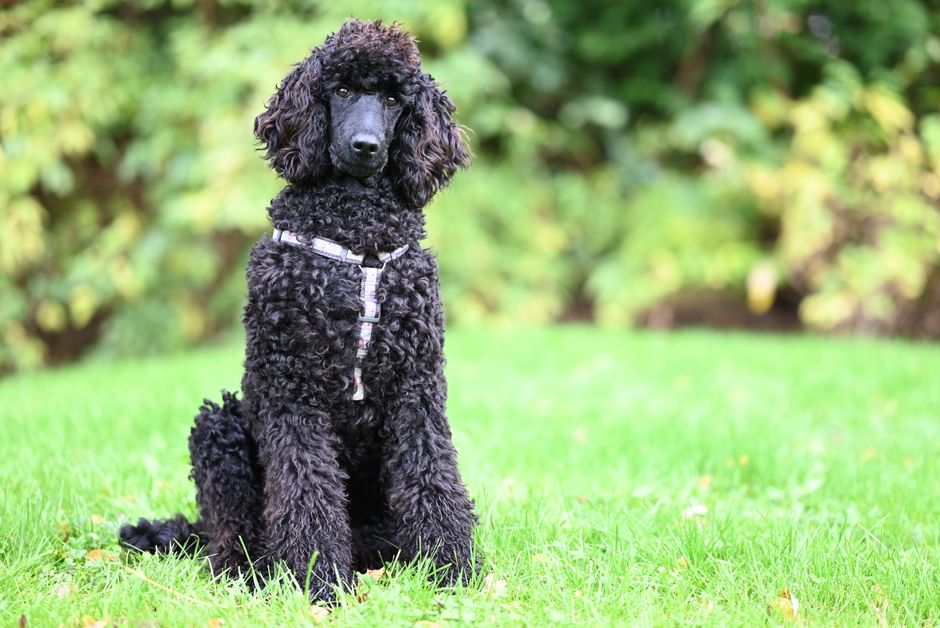

6

Standard Poodle

Standard Poodle

Best for: Homes wanting a smart, calm companion alongside cats

Standard Poodles are intelligent, trainable, and known for their calm demeanor, making them a great fit in homes with cats. They tend to have lower prey drives compared to some other breeds, which means they’re less likely to chase or stress out small animals. Their keen intelligence means they learn quickly how to behave around cats, especially with consistent training. Plus, their low-shedding coat is a bonus for mixed-species households. Standard Poodles are affectionate and often enjoy the companionship of other pets, forming close bonds with feline friends when introduced thoughtfully.

Did you know? Poodles were originally bred as water retrievers, but their elegant poofs make them look like little aristocrats.

5

Cavalier King Charles Spaniel

Cavalier King Charles Spaniel

Best for: Loving households looking for a gentle dog to share life with cats

Cavaliers are sweet-natured, gentle dogs that usually get along famously with cats. Their mellow and affectionate personalities make them less likely to exhibit aggressive or overly energetic behavior around smaller animals. They’re known for being extremely people- and pet-friendly, often seeking out companionship wherever they find it. Their moderate activity level means they can enjoy playtime without overwhelming a cat. Cavaliers tend to be quite adaptable, so they can adjust well to living with feline friends, especially with patient introductions and supervision at first.

Did you know? This breed’s expressive eyes earned them the nickname 'the little lion dog' in their royal English history.

4

Havanese

Havanese

Best for: Families wanting a small, friendly dog that thrives with cats

Havanese dogs are lively yet gentle and often form strong bonds with cats in the home. They tend to be curious but not aggressive, showing a playful interest rather than predatory behavior toward small animals. Their social and affectionate nature means they enjoy the company of other pets and people alike. Havanese are also small enough not to intimidate cats, which can help ease tension during introductions. With consistent positive socialization, they usually learn to coexist peacefully and even enjoy the company of their feline roommates.

Did you know? Havanese are known as 'the Velcro dog' because they love to stick close to their favorite people and pets.

3

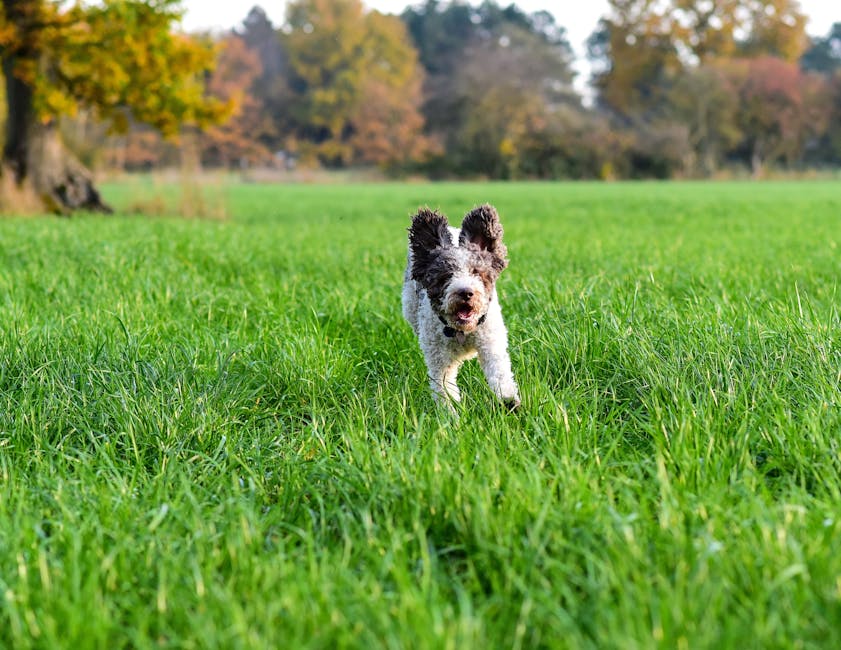
Bichon Frise

Bichon Frise

Best for: Pet owners looking for a lively yet gentle companion alongside cats

Bichon Frises are cheerful, playful, and tend to be quite gentle around cats. Their affectionate personalities and moderate energy levels mean they’re unlikely to overwhelm a feline friend. Bichons enjoy social settings and often get along well with other animals if introduced properly. They’re smart and responsive, making it easier to train them to respect boundaries with cats. Plus, their low-shedding coats can be a bonus for multi-pet households concerned about dander or hair. Overall, Bichons are a friendly breed that can add a joyful presence to a home with cats.

Did you know? Bichon Frises often have a happy, smiling expression that’s hard to resist.

2

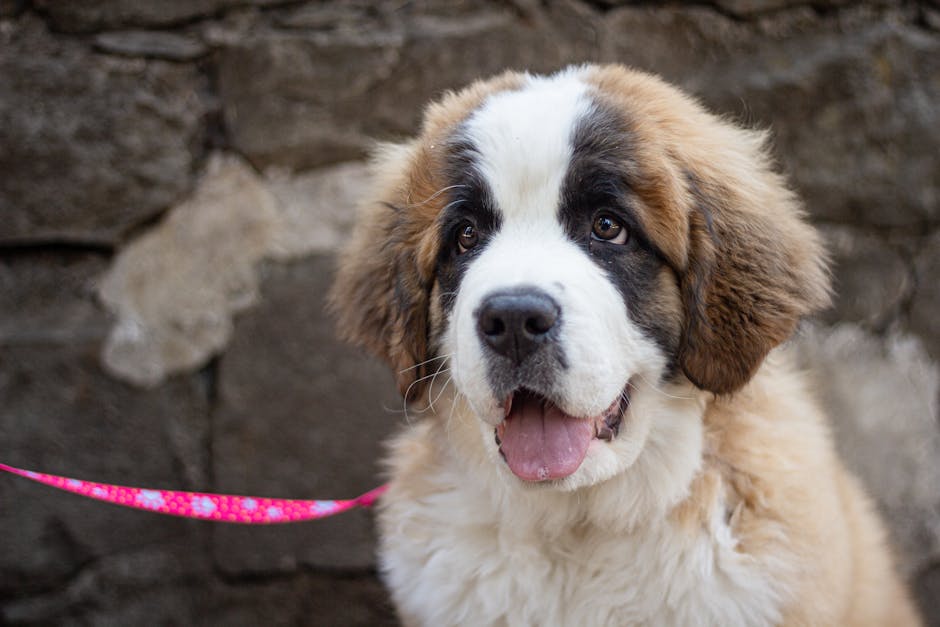
Great Dane

Great Dane

Best for: Homes with space looking for a calm, cat-friendly gentle giant

Great Danes are gentle giants known for their calm and laid-back nature, which often makes them surprisingly good companions for cats. Despite their large size, they’re typically very patient and tolerant, showing a relaxed attitude that can help keep the peace with feline housemates. Their low prey drive and affectionate demeanor mean they usually won’t chase or harass smaller animals. While their size means supervision is wise during introductions, Great Danes often enjoy the company of cats and can form close bonds that are both heartwarming and enduring.

Did you know? Great Danes are so tall they can often see over fences without jumping!

1

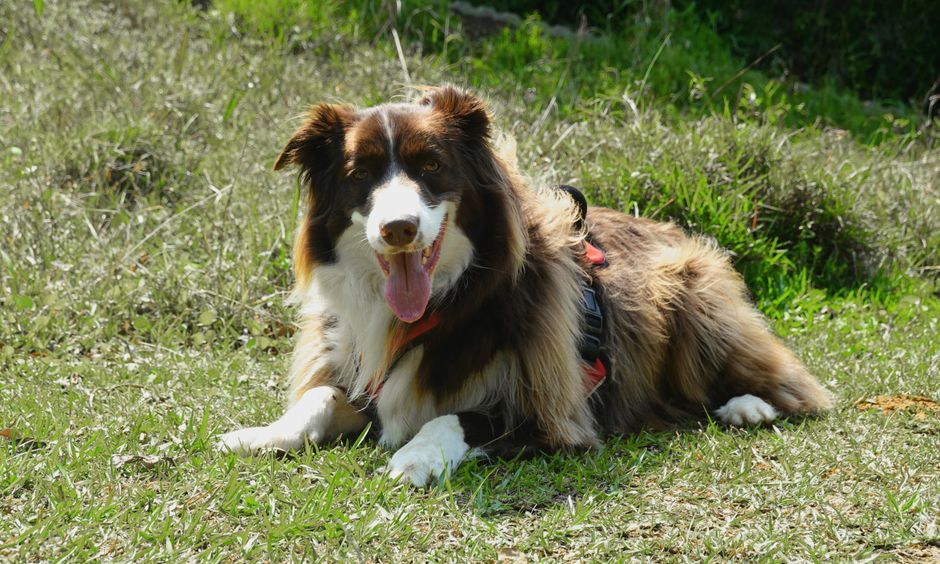
English Springer Spaniel

English Springer Spaniel

Best for: Active families wanting a friendly dog that respects cats

English Springer Spaniels are widely recognized for their balanced temperament and lower prey drive, making them excellent companions for cats. They’re energetic but also remarkably gentle and social dogs who usually adapt well to multi-pet households. Their friendly nature and eagerness to please mean they take well to training that encourages calm, respectful behavior around cats. Springers are affectionate and thrive on companionship, often forming tight bonds with feline housemates. With proper introduction and positive reinforcement, they’re one of the best breed choices for peaceful dog-cat cohabitation.

Did you know? English Springer Spaniels are natural water lovers, often happily splashing around in ponds or lakes.

Bringing one of these home? Start here

The first-month essentials we recommend to every new owner. Affiliate links — we may earn a small commission at no extra cost to you.

Printable art for dog lovers

Instant downloads from our shop — print at home or at any print shop.

The bottom line

Our #1 pick is English Springer Spaniel — active families wanting a friendly dog that respects cats. Still, the right choice comes down to your space, routine, and what you value most. Any breed on this list is a solid place to start.

Frequently asked questions

Are these dog breeds generally good with cats of all ages?
Yes, the breeds listed like the English Springer Spaniel and Golden Retriever typically adjust well to cats of various ages. However, individual temperament matters, so early socialization and gradual introductions help ensure peaceful coexistence regardless of the cat's age.
What’s the best way to introduce a dog from these breeds to a resident cat?
Start with controlled, calm introductions by keeping the dog on a leash and allowing the cat to approach at their own pace. Use positive reinforcement like treats and praise for both pets to build positive associations. Gradually increase their time together while supervising closely until they’re comfortable around each other.
Do these dog breeds require special training to live peacefully with cats?
While these breeds are known for their friendly nature, basic obedience training is important. Teaching commands like 'leave it' and 'stay' helps manage their behavior around cats. Consistent training combined with socialization from a young age promotes harmony between dogs and cats in the home.
Are there any health considerations when having these dog breeds live with cats?
No specific health issues arise from these breeds living with cats. Just maintain routine veterinary care for both pets, including vaccinations and parasite prevention, to keep them healthy. Also, monitor for any signs of stress or allergies that might affect either animal in a multi-pet household.

More guides you'll love