Some dogs don’t just grow up—they change up! Certain breeds go through striking coat color transformations as they age, turning heads with their evolving looks. Whether it’s a dramatic lightening, deepening, or shifting shades, these changes add a fascinating layer of personality to each pup. If you love dogs with dynamic, ever-changing coats, this list is for you. We’ve rounded up breeds whose colors mature and morph in truly surprising ways, making every stage of their life just as captivating as the last.
How we ranked these: every breed below was chosen for real-world fit — temperament, energy level, grooming needs, and how well it suits everyday households. We count down from #5 to our #1 pick, so keep scrolling for the top spot.
Best for: Families or singles wanting a smart, low-shedding dog with a changing coat
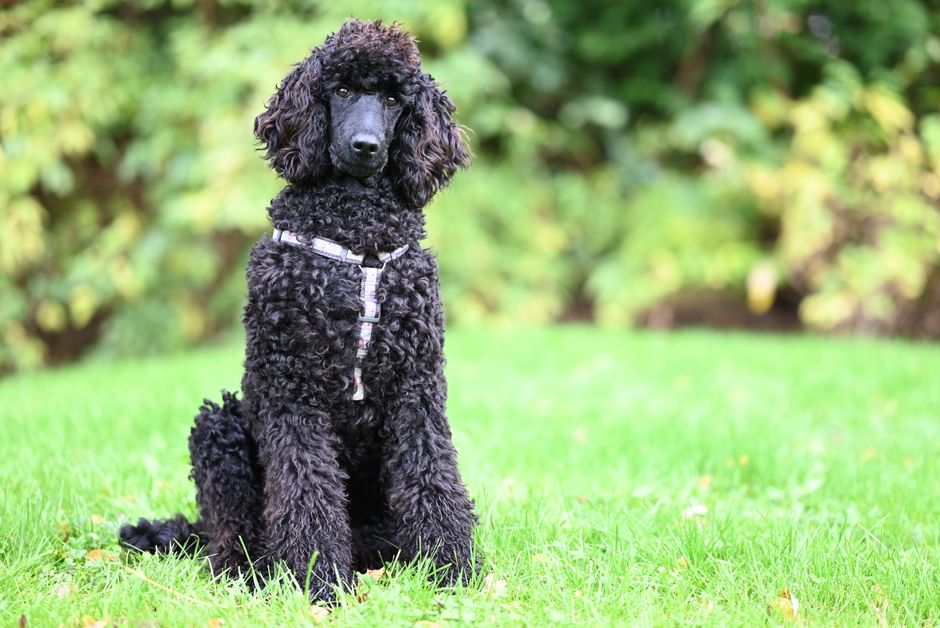
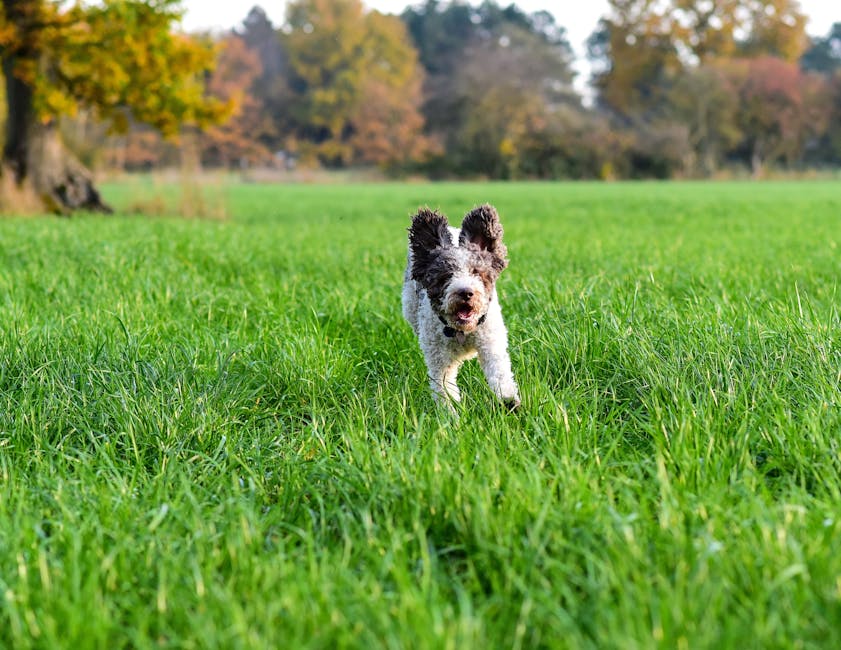
Standard Poodles are well known for their intelligence and elegance, but their coat changes are just as fascinating. Puppies often start with a darker or more solid color that lightens considerably as they mature. For example, a black or gray Standard Poodle puppy might develop a silvery or even nearly white coat as an adult. This gradual fade is part of what makes them so visually intriguing. Their curly coats also tend to soften and become fluffier with age, enhancing the coat’s evolving appearance. This breed is a great fit for those who appreciate a dog whose look matures and shifts, offering a fresh vibe as years pass.
Did you know? Standard Poodle puppies can look like tiny black bears before their coats lighten!
4
Siberian Husky
Best for: Energetic individuals or families who love adventure and stunning visuals
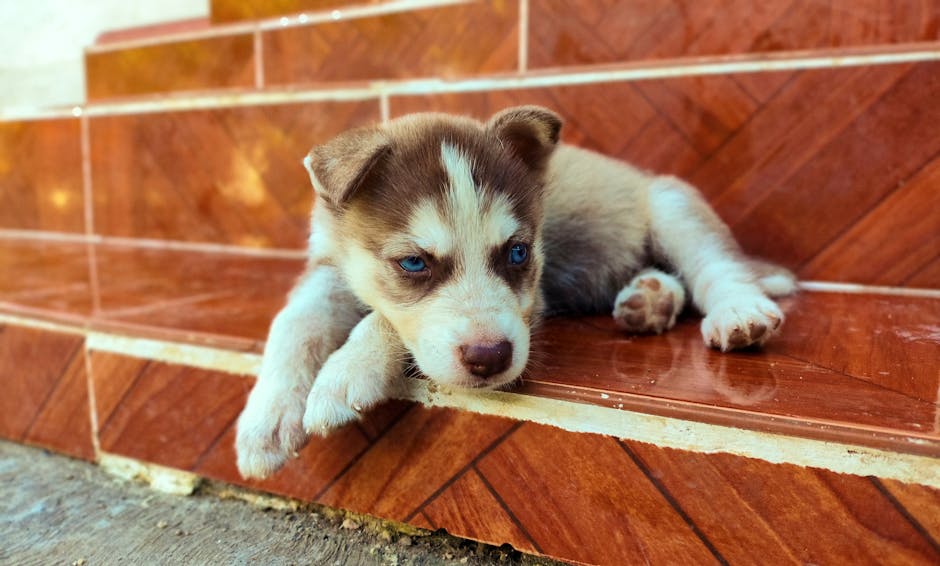
Siberian Huskies often have coats that subtly change as they grow. While their iconic markings usually stay consistent, the richness and intensity of their colors can shift. Many Huskies are born with darker, more vivid coats that gently fade or soften over time, especially around the face and legs. Some also develop more pronounced white patches as they age, enhancing their striking wolf-like appearance. This evolving coat gives them an almost magical quality, as if each stage of life reveals a new facet of their wild beauty. Huskies are a great fit for active owners who admire a dog with a dynamic, nature-inspired look.
Did you know? Some Huskies lighten so much they look almost like snow ghosts!
3
Australian Shepherd
Best for: Active families or individuals who want a colorful, intelligent companion
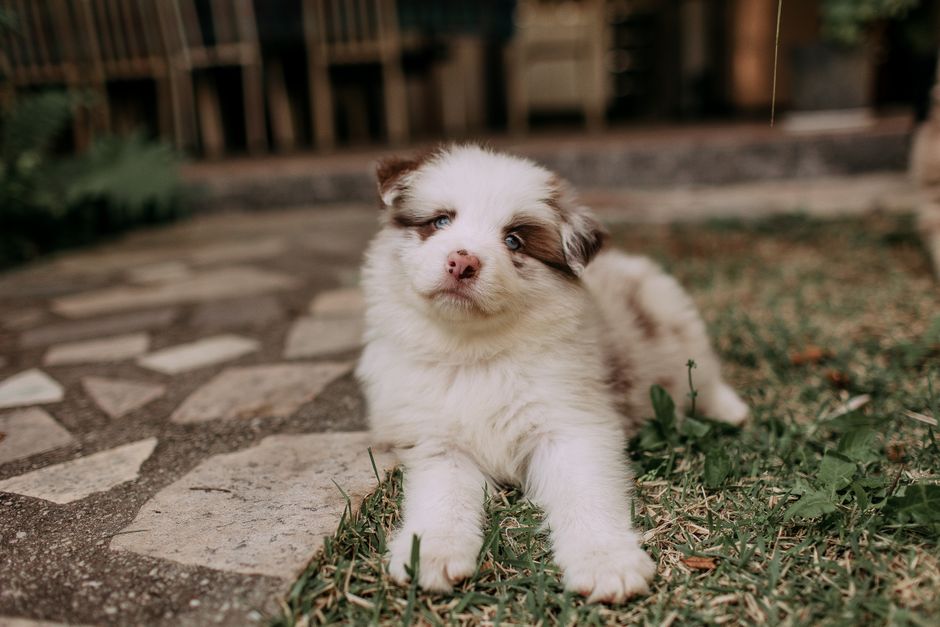
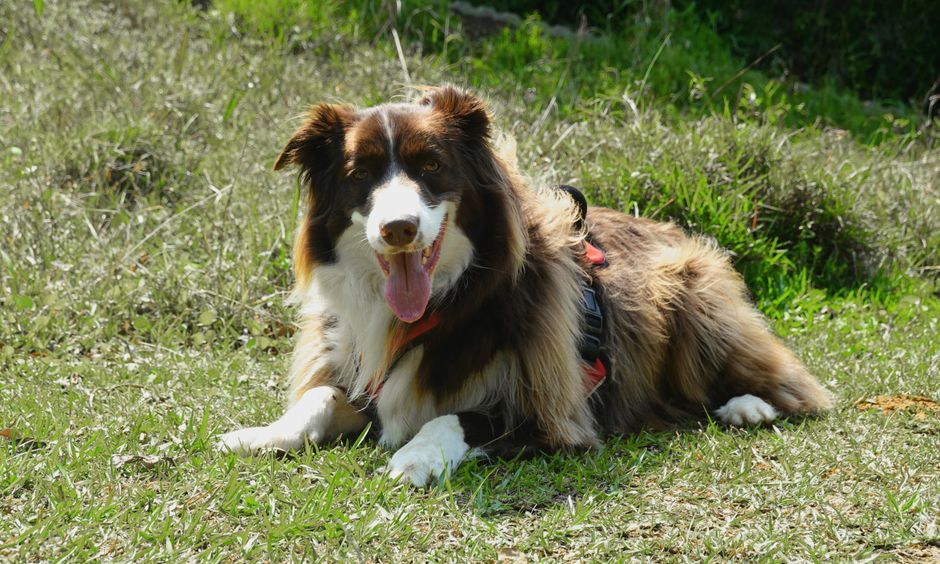
Australian Shepherds are known for their vibrant, multicolored coats that sometimes change dramatically as they age. Puppies often have darker, more intense colors that mellow and blend into softer shades with time. For instance, a blue merle Aussie may start with stark contrasts that gradually soften into a smoky, marbled effect. Their coats can also gain or lose white patches, making each dog’s coloring unique throughout its life. This breed’s color evolution is a visual treat for owners who love watching their dog’s appearance grow and shift with personality and maturity.
Did you know? Some Aussies develop unique marbling patterns that get richer with age!
2
Standard Schnauzer
Best for: Owners seeking a smart, alert dog with a striking, maturing coat
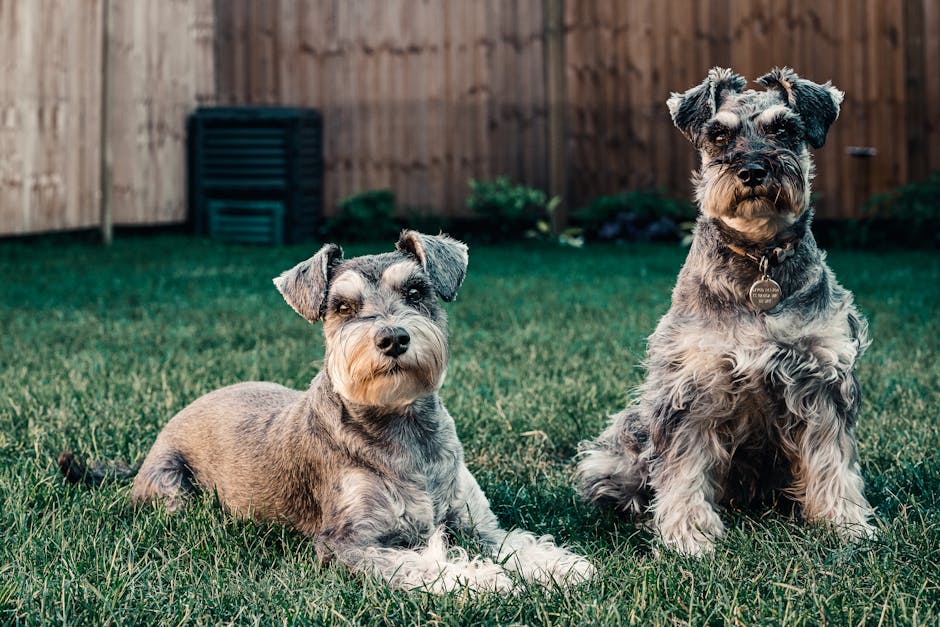
Standard Schnauzers have a distinctive salt-and-pepper coat that changes significantly as they grow. Puppies often start out with darker, almost solid black or dark gray fur that lightens to the classic salt-and-pepper or even silver tones in adulthood. This gradual lightening process is linked to the mix of black and white hairs that become more prominent over time, giving the Schnauzer its signature look. Their coats also develop a wiry texture that enhances their distinguished appearance. This breed is a great fit for those who appreciate a dog with a distinguished, evolving look that grows more sophisticated with age.
Did you know? Puppy Schnauzers can look like tiny black shadows before their coats lighten!
1
Samoyed
Best for: Families or individuals who want a cheerful, fluffy companion with a brightening coat
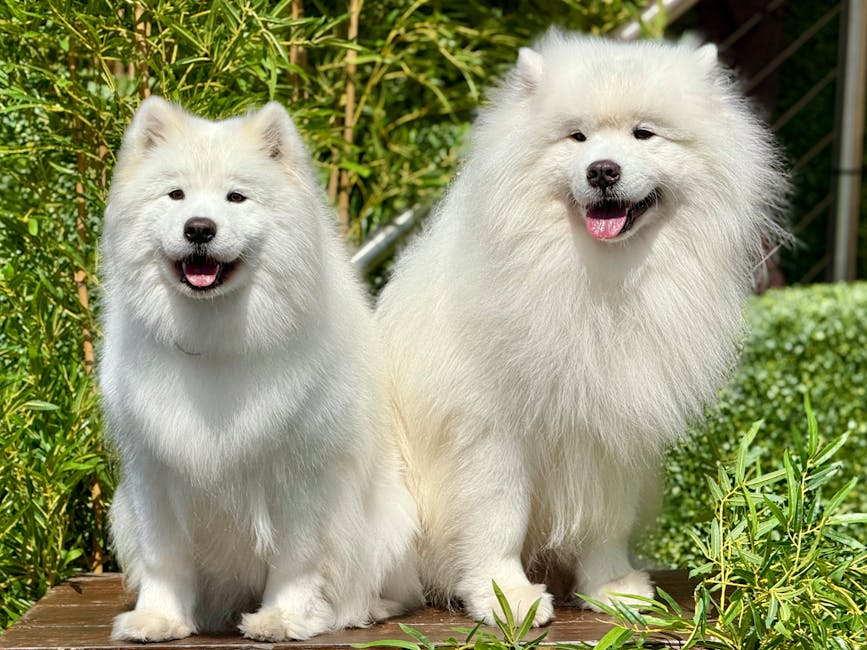
Samoyeds are famous for their dazzling white coats, but they actually go through some interesting color shifts as they mature. While puppies are often born with a creamier or even slightly yellowish tint, their coats typically lighten and brighten into that classic snowy white as they grow older. This transformation is subtle but striking, as the soft puppy fluff is replaced by a fuller, fluffier, pristine white coat. The change highlights their fluffy, cloud-like appearance and gives owners a front-row seat to a beautiful transition. Samoyeds are a great fit for those who adore a dog whose coat grows brighter and more radiant with age.
Did you know? Samoyed puppies sometimes look like little cream-colored marshmallows before whitening up!
Bringing one of these home? Start here
The first-month essentials we recommend to every new owner. Affiliate links — we may earn a small commission at no extra cost to you.
Our #1 pick is Samoyed — families or individuals who want a cheerful, fluffy companion with a brightening coat. Still, the right choice comes down to your space, routine, and what you value most. Any breed on this list is a solid place to start.
Frequently asked questions
Why do some dog breeds change color as they age?
Coat color changes in dogs happen due to genetics, pigment shifts, and hair texture changes as they grow. Some breeds have genes that cause their fur to lighten or darken over time, resulting in those surprising transformations.
Do all puppies change their coat color as they grow?
Not all puppies experience noticeable color changes. It really depends on the breed and individual genetics. Some breeds have very stable coat colors, while others, like those on this list, undergo dramatic transformations.
Can I predict how my dog's coat color will change?
You can get a general idea based on the breed and the puppy’s initial coloring, but exact changes can vary widely. Watching your dog grow is often the best way to see how their coat evolves.
Are color changes in dogs linked to health issues?
Color changes due to aging or genetics are usually normal and not connected to health problems. However, sudden or patchy changes might indicate medical issues, so it’s always good to check with a vet if you’re concerned.