Value FindsDaily

Top 5 Quietest Dog Breeds That Rarely Bark

5 breeds ranked · counting down to #1

By the Value Finds Daily Editorial Team · Last updated May 29, 2026

Save to Pinterest

If you live in a noise-sensitive home or just prefer a calm canine companion, certain dog breeds are naturally quieter than others. These breeds tend to bark less often and are more laid-back, making them ideal for apartments, close neighbors, or households where peace and quiet are valued. While every dog has its own personality, the breeds on this list are known for their low vocalization and calm demeanor, helping to maintain a serene environment without sacrificing the joy of having a dog around.

How we ranked these: every breed below was chosen for real-world fit — temperament, energy level, grooming needs, and how well it suits everyday households. We count down from #5 to our #1 pick, so keep scrolling for the top spot.
At a glance: 5 breeds compared
#BreedSizeEnergySheddingTrainingBarkingLifespanKids
1Japanese Chinsmalllowmediummoderatelow10–14 yrsYes
2Clumber Spaniellargelowmediummoderatelow10–12 yrsYes
3Basenjimediumhighlowhardlow12–16 yrsYes
4Greyhoundlargemediumloweasylow10–14 yrsYes
5French Bulldogsmallmediummediummoderatelow10–12 yrsYes
5

French Bulldog

French Bulldog

Best for: Apartment dwellers and those seeking a calm companion

French Bulldogs are charming little dogs known for their affectionate nature and distinctive bat ears. Despite their sturdy build, they are surprisingly quiet and not prone to excessive barking. Their calm disposition makes them a great fit for city apartments or quiet households. These dogs enjoy being close to their people and often communicate with soft grumbles or snorts rather than loud barks. Their low-energy lifestyle means they’re content with short daily walks and plenty of couch time, which contributes to their overall quiet demeanor.

Did you know? French Bulldogs often communicate through adorable snorts and grumbles instead of barking.

4

Greyhound

Greyhound

Best for: Quiet homes and calm family environments

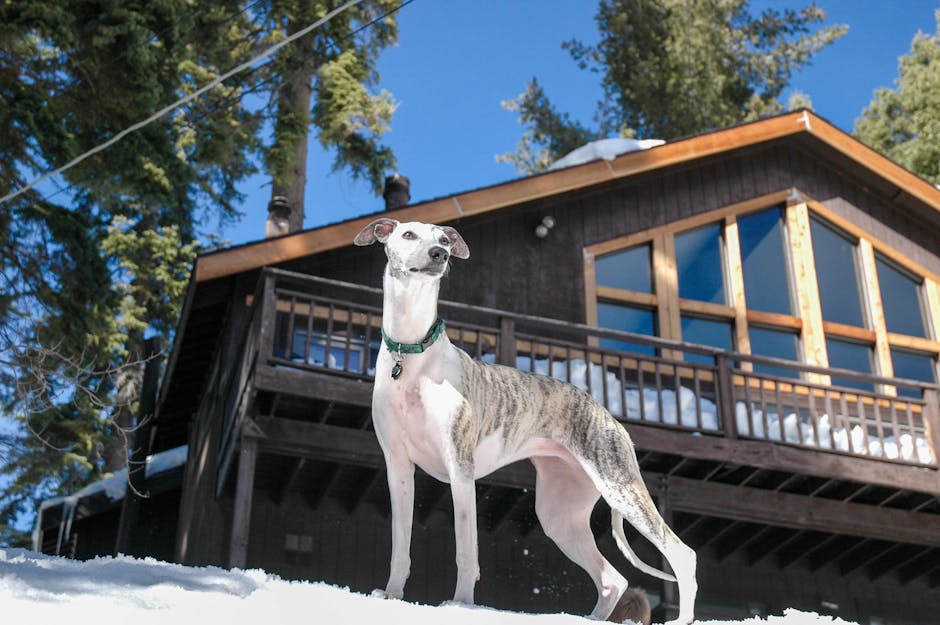
Greyhounds are graceful, gentle giants with a surprisingly calm personality off the racetrack. Known for their quiet nature, they rarely bark and prefer lounging around the house to constant activity. Despite their speed and athleticism, Greyhounds are couch potatoes at heart and enjoy peaceful environments. Their sensitivity to noise and calm temperament make them a great fit for families or individuals looking for a serene companion who doesn’t make a lot of noise but still enjoys occasional bursts of play.

Did you know? Though built for speed, Greyhounds are known as ‘45-mile-per-hour couch potatoes.’

3

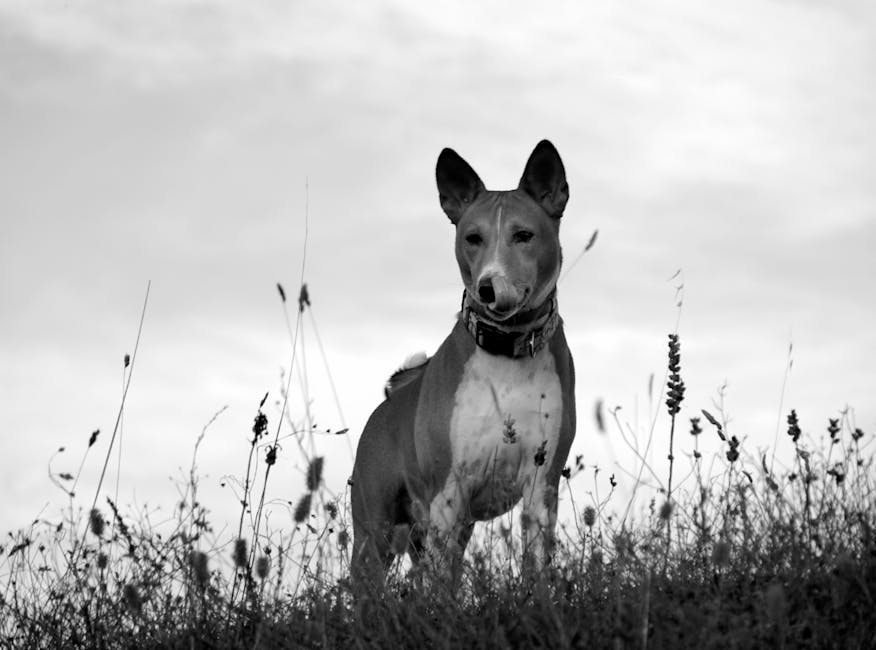
Basenji

Basenji

Best for: Homes that appreciate a unique, quiet communicator

Known as the "barkless dog," the Basenji communicates through unique yodel-like sounds called 'baroos' instead of traditional barking. This breed is alert, intelligent, and quite independent, which means they’ll keep noise levels low but remain expressive in their own way. Basenjis are energetic and playful but don’t tend to bark to alert or annoy. Their quiet nature paired with their curious spirit makes them a great fit for homes that appreciate a dog with a distinct personality who won’t fill the house with noise.

Did you know? Basenjis don’t bark but make a yodeling sound called a 'barroo.'

2

Clumber Spaniel

Clumber Spaniel

Best for: Families seeking a calm, steady companion

Clumber Spaniels are gentle, low-key dogs with a calm and patient temperament. They are not big barkers and tend to be quite quiet, preferring to observe rather than alert with noise. Their sturdy build and sweet disposition make them wonderful companions who enjoy moderate exercise but are mostly content relaxing by your side. Clumbers are great for those who want a loyal and quiet dog that blends well into quieter households without the nuisance of constant barking.

Did you know? Clumber Spaniels have one of the softest, most mellow voices among spaniels.

1

Japanese Chin

Japanese Chin

Best for: Noise-sensitive homes and apartment living

Japanese Chins are elegant, small dogs known for their quiet and gentle nature. They rarely bark, making them fantastic companions for noise-sensitive homes or apartment living. These dogs communicate with soft, expressive sounds and are highly attuned to their owner’s moods, often responding with calm and affection rather than noise. Their graceful demeanor and low vocalization make them a top choice for anyone wanting a peaceful yet loving dog that fits seamlessly into a quiet lifestyle.

Did you know? Japanese Chins are often described as 'cat-like' for their quiet, graceful behavior.

Bringing one of these home? Start here

The first-month essentials we recommend to every new owner. Affiliate links — we may earn a small commission at no extra cost to you.

Printable art for dog lovers

Instant downloads from our shop — print at home or at any print shop.

The bottom line

Our #1 pick is Japanese Chin — noise-sensitive homes and apartment living. Still, the right choice comes down to your space, routine, and what you value most. Any breed on this list is a solid place to start.

Frequently asked questions

Are these quiet dog breeds suitable for apartment living?
Yes, most of these breeds, like the French Bulldog and Japanese Chin, adapt well to apartment life due to their low barking tendencies and moderate exercise needs. However, Greyhounds, while quiet, do require regular walks to stay healthy, and Clumber Spaniels may need more space and activity. Always consider the dog's energy level along with their barking habits.
Do quiet dog breeds still need regular training and socialization?
Absolutely. Even breeds that rarely bark benefit from consistent training and socialization. This helps prevent behavioral issues and ensures they are well-adjusted companions. Quiet breeds like the Basenji can be independent, so early socialization and positive reinforcement training are key to a happy, balanced dog.
Can quiet dog breeds be effective watchdogs?
Generally, these quiet breeds are not known for being alert watchdogs since they rarely bark. For example, Basenjis and Greyhounds tend to be calm and less vocal. If you need a dog primarily for security, these breeds might not be the best choice, but they excel as low-noise, affectionate pets.
How do these breeds communicate if they rarely bark?
Many quiet breeds use body language and other sounds to communicate. For instance, Basenjis are known for their unique yodel-like sound called a "barroo" instead of barking. French Bulldogs and Japanese Chins may use grunts or subtle cues. Understanding their behaviors helps owners respond appropriately without relying on barking.

More guides you'll love